Gold prices steady amid anticipation over the U.S.-China summit

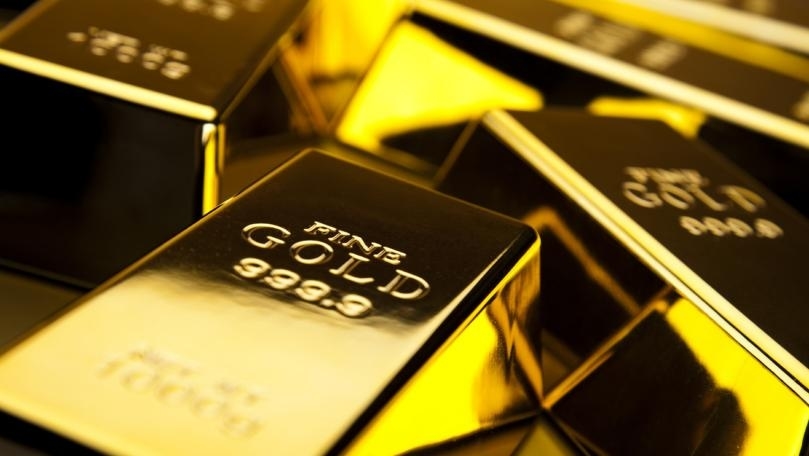
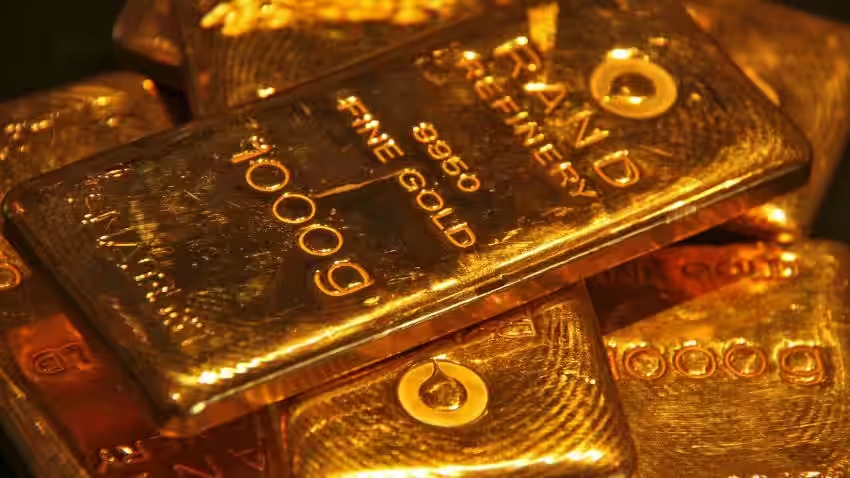
Gold prices were steady at the start of Asian trading, as investors awaited an important U.S.-China summit in Beijing while monitoring developments related to the conflict in the Middle East.Spot gold remained nearly unchanged at $4,713.39 per ounce. U.S. gold futures for June delivery rose 0.7% to $4,721.80.Oil prices declined after three consecutive sessions of gains, as investors watched developments surrounding the fragile ceasefire in the Iran war.U.S. consumer prices rose sharply in April for the second consecutive month, leading to the biggest annual increase in inflation in nearly three years. This strengthened expectations that the Federal Reserve will keep interest rates unchanged for some time.Spot silver rose 1% to $87.40 per ounce, platinum fell 0.1% to $2,124.70, while palladium gained 0.4% to $1,497.

13-05-2026 09:11

Gold prices steady amid anticipation over the U.S.-China summit

Gold prices were steady at the start of Asian trading, as investors awaited an important U.S.-China summit in Beijing while monitoring developments related to the conflict in the Middle East.Spot gold remained nearly unchanged at $4,713.39 per ounce. U.S. gold futures for June delivery rose 0.7% to $4,721.80.Oil prices declined after three consecutive sessions of gains, as investors watched developments surrounding the fragile ceasefire in the Iran war.U.S. consumer prices rose sharply in April for the second consecutive month, leading to the biggest annual increase in inflation in nearly three years. This strengthened expectations that the Federal Reserve will keep interest rates unchanged for some time.Spot silver rose 1% to $87.40 per ounce, platinum fell 0.1% to $2,124.70, while palladium gained 0.4% to $1,497.

13-05-2026 09:11

Oil prices stabilize after multi-month lows but remain under pressure

Oil prices steadied on Wednesday after hitting multi-month lows in the previous session, though they remained under pressure amid plans by major producers to raise output in April and concerns over U.S. tariffs on Canada, Mexico, and China.Brent futures inched 6 cents up, or 0.1%, to $71.10 a barrel at 0730 GMT. U.S. West Texas Intermediate (WTI) crude dipped 24 cents, or 0.4%, to $68.02 a barrel, News.Az reports, citing Reuters. In the previous session, the contracts settled at close to multi-month lows, weighed by concerns that the U.S. tariffs and counter-tariffs by the affected countries will slow economic growth and reduce fuel demand.The Organization of the Petroleum Exporting Countries and its allies including Russia, a group known as OPEC+, decided on Monday to increase output for the first time since 2022.The group will make a small increase of 138,000 barrels per day from April, the first step in planned monthly increases to unwind its nearly 6 million bpd of cuts, equal to nearly 6% of global demand.A 25% tariff on all imports from Mexico, a 10% tariff on Canadian energy and a doubling of duties on Chinese goods to 20% came into effect on Tuesday. The Trump administration also imposed 25% tariffs on all other Canadian imports.U.S. President Donald Trump's self-declared trade war is seen by economists as a recipe for fewer jobs, slower growth, and higher prices, which could kill demand. The lower economic growth will likely impact fuel consumption in the world's biggest oil consumer.The Trump administration also said on Tuesday it was ending a license that the U.S. has granted to U.S. oil producer Chevron (CVX.N), opens new tab since 2022 to operate in Venezuela and export its oil.Meanwhile, U.S. crude stocks fell by 1.46 million barrels in the week ended February 28, market sources said, citing American Petroleum Institute figures on Tuesday. Investors now await government data on U.S. stockpiles, due on Wednesday.

05-03-2025 12:16

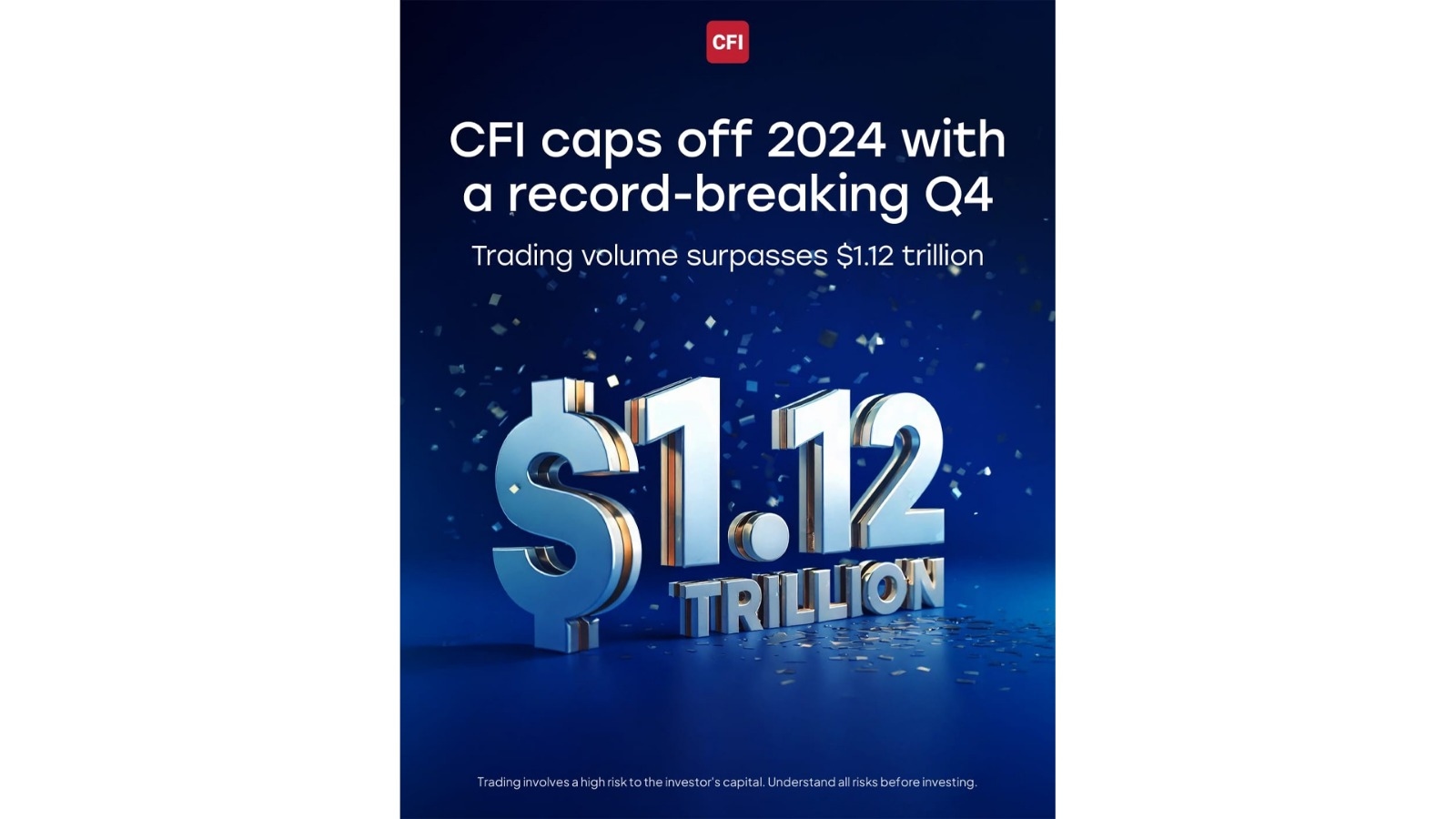
CFI Caps Off Record-Breaking 2024 with Unprecedented Q4 Performance, Surpassing $1.12 Trillion in Trading Volume

CFI Financial Group, a leading global online trading provider, has concluded 2024 with record-breaking achievements, reinforcing its status as one of the fastest-growing online trading providers worldwide. With an all-time high in trading volumes, exponential growth in active clients, and significant global expansion, CFI has set new industry benchmarks, solidifying its position as a dominant force in online trading.Q4 2024: A Historic Finish to a Landmark Year● Unprecedented Trading Volume: In Q4 2024, CFI shattered previous records, surpassing $1.12 trillion in trading volume, exceeding Q3’s $1.03 trillion. This milestone brings H2 2024’s total to a staggering $2.15 trillion, reflecting a 142% year-over-year increase from H2 2023.● Surging Client Activity: Q4 saw a 27% increase from Q3 in active clients. New clients continued their rapid ascent, reinforcing CFI’s commitment to providing accessible and efficient trading solutions.● Soaring Client Deposits & Transactions: Q4 saw a 39% increase in client funding, following a 31% jump in Q3, reflecting growing confidence in CFI’s offerings.Strategic Expansion & Leadership Reinforcement in Q4CFI’s relentless pursuit of global growth and leadership reinforcement was evident in Q4 with key expansions and executive appointments, including:● Launch of CFI Financial Investment Company in Azerbaijan, marking the firm’s first licensed local presence in the region, with Ilgar Rustambayli appointed as CEO.● Commencement of operations in South Africa, furthering CFI’s reach across continents, with Zihaad Israfil named CEO.● Opening of CFI’s third UAE office in Sharjah following its second one in Abu Dhabi, strengthening the company’s regional presence and accessibility.● Introduction of the CFI Rewards Program, offering exclusive incentives such as VIP experiences at global sporting events and unique client engagement opportunities.● Appointment of Ahmad Khatib as Chief Business Development Officer and Ziad Melhem as Chief Marketing Officer, further strengthening CFI’s leadership team and positioning the company for continued strategic growth.Industry-Leading Partnerships & Brand Expansion● Official Online Trading Partner of MI Cape Town, connecting with cricket’s massive 2.5 billion-strong global audience.● Exclusive “CFI Driven by Success” Celebration at Dubai’s Museum of the Future, featuring Global Brand Ambassador and seven-time Formula 1™ World Champion Lewis Hamilton.● Launch of the “Trading Transparency+” Program, an initiative dedicated to market education, trading realities, and risk awareness, reinforcing CFI’s commitment to responsible trading.2024: A Year of Unparalleled Success & Growth● Total annual trading volume exceeding previous records, cementing CFI as an industry leader.● A 120% year-over-year increase in new clients, reflecting traders and investors solid demand for the company’s services.● Expansion into new markets, solidifying CFI’s international footprint and reputation as a top-tier financial institution.● Technological advancements, including AI-driven trading tools and seamless platform integrations, enhancing the overall trading experience.● New Global Brand Ambassador Lewis Hamilton, Seven-Time Formula 1™  World Champion, aligning with the group’s unwavering pursuit of excellence, innovation, and advocacy for diversity and inclusion.● Strategic Regional Partnerships with the Department of Culture and Tourism - Abu Dhabi, including extended collaborations with NBA Abu Dhabi Games and UFC 308, as well as partnerships with FIBA WASL, the Khaleeji Zain 2024 GCC Cup and many more.Looking Ahead to 2025Building on this extraordinary year, CFI remains committed to sustained growth, technological innovation, and expanding its reach in key markets. With new initiatives in the pipeline, CFI is poised to redefine excellence in the online trading industry in 2025 and beyond.About CFI: CFI Financial Group, established in 1998, is MENA's leading online trading broker with over 25 years of experience. Operating from key locations like London, Abu Dhabi, Dubai, Cape Town, Baku, Beirut, Amman, and Cairo, CFI provides seamless access to both global and local markets. Offering diverse trading options across equities, currencies, commodities, and more, CFI delivers superior conditions, including zero-pip spreads, no commission fees, and ultra-fast execution.The company is a leader in AI-driven tools, offering intuitive and advanced solutions for traders of all experience levels. CFI fosters financial literacy through multilingual educational content and inspires excellence through partnerships with global icons like AC Milan, FIBA WASL, and MI Cape Town cricket team, as well as the Department of Culture and Tourism – Abu Dhabi. With Seven-Time Formula One™ World Champion Sir Lewis Hamilton as Global Brand Ambassador, CFI reflects a shared commitment to innovation and success while supporting cultural and community initiatives worldwide.For more information: www.cfi.tradeMedia Inquiries: Cecilia Natalia Hage, Global PR & Communications Manager, c.hage@cfi.trade

05-02-2025 14:43

Oil prices steady as markets turn focus to OPEC+ meeting

Oil prices steadied in Asian trading on Monday as markets awaited an OPEC+ meeting on June 2 where producers are expected to discuss maintaining voluntary output cuts for the rest of the year.The Brent crude July contract was up 24 cents to $82.36 a barrel as of 0638 GMT. The more-active August contract rose 29 cents to $82.13.U.S. West Texas Intermediate (WTI) crude futures rose 28 cents to $78 per barrel.Brent ended last week about 2% lower and WTI lost nearly 3% after Federal Reserve minutes showed some officials would be willing to tighten interest rates further if they believed it was necessary to control persistent inflation.Public holidays in the U.S. and UK on Monday are expected to keep trading relatively thin.The upcoming meeting of the Organization of the Petroleum Exporting Countries and allies, known as OPEC+, was pushed back by a day and will be held online, OPEC said on Friday.The producers will discuss whether to extend voluntary output cuts of 2.2 million barrels per day into the second half of the year, with three sources from OPEC+ countries saying an extension was likely.Oil futures are expected to maintain today's gains due to expectations of the cuts being extended, said Sugandha Sachdeva, founder of Delhi-based research firm SS WealthStreet."However, the trajectory of price action will be significantly influenced by the U.S. Producer Price Index (PPI) data scheduled for the week, which will in turn shape the Federal Reserve's approach to potential rate adjustments," Sachdeva said.Combined with another 3.66 million bpd of production cuts valid through the end of the year, the output cuts are equivalent to nearly 6% of global oil demand.OPEC has said it expects another year of relatively strong growth in oil demand of 2.25 million bpd, while the International Energy Agency expects much slower growth of 1.2 million bpd.ANZ analysts said in a note that they will be watching gasoline usage as the Northern Hemisphere enters summer, traditionally a high season due to driving holidays."While U.S. holiday trips are expected to hit a post-COVID high, improved fuel efficiency and EVs could see oil demand remain soft," the analysts said. But they added that could be offset by rising air travel.Markets will also be watching the U.S. personal consumption expenditures (PCE) index this week for more signals about interest rate policy. The index, due to be released on May 31, is seen as the U.S. Federal Reserve's preferred measure of inflation.Separately, Goldman Sachs raised its forecast for 2030 oil demand to 108.5 million barrels per day (bpd) from 106 million bpd. It also said it expects peak oil demand to occur by 2034 at 110,000 million bpd followed by a long plateau till 2040.

27-05-2024 11:07

{{ article.title }}

{{safeHTML(article.Text)}}

{{ formatCategoryDate(article.publishDate) }}

Article Image

More

Turkish central bank cut rates by 50 bps after earthquake

Turkey's central bank cut its main interest rate to 8.5% from 9% on Thursday, moving to cushion the economic impact of a devastating earthquake that killed more than 43,000 people in country's south on Feb 6.The cut was expected following the disaster, though some economists had predicted a considerably bigger reduction."It has become even more important to keep financial conditions supportive to preserve the growth momentum in industrial production and the positive trend in employment after the earthquake," the central bank said in a statement.It also said after its monthly monetary policy committee meeting that it will closely monitor earthquake-driven supply and demand imbalances and their impact on inflation, while mainly stressing the importance of supporting growth and jobs.The decision had little impact on the lira , which traded at 18.8755, barely changed from its early levels. The currency has touched record lows against the dollar in recent weeks, but its moves have been far smaller since the summer due to state control of the currency market.Even before the quakes, analysts said there could be more easing ahead of presidential and parliamentary elections due by June 18 and expected on May 14, and in which President Tayyip Erdogan is expected to face the biggest political challenge of his two-decade rule.The central bank kept rates steady at 9% in December and January but has now cut them by 1,050 basis points since late 2021.A 500-bps run of easing last year and subsequent slump in the lira contributed to inflation soaring above 85%. It dropped to a still-high 58% in January.Erdogan has urged monetary stimulus over the last several years, aiming to achieve price stability by slashing borrowing costs, boosting exports and flipping chronic current account deficits to surpluses.A previous flurry of rate cuts sparked a late-2021 currency crash. The lira lost 44% versus the dollar that year and a further 30% in 2022, stoking inflation.In a Reuters poll of 17 economists, the median forecast was for a 50-bps cut to minimise the economic hit from the earthquake. But while nine had expected, in some cases of up to 200 basis points, eight institutions had forecast no change.Istanbul-based Economist Enver Erkan predicted more cuts could follow."The base effect in inflation creates a confidence interval from the CBRT (central bank's) perspective, so before the election, there may be a rate cut again."Business groups and economists have said the earthquake could cost Ankara up to $100 billion to rebuild housing and infrastructure, while shaving one to two percentage points off economic growth this year.

23-02-2023 16:05

One Year of War in Europe: How The Dollar, Energy and Food Prices Swirled

Reuters published this article:Russia's invasion of Ukraine has disrupted economies and markets around the world, from energy and food prices to European banks, emerging market stocks and the Russian currency.Below are five charts that show how Europe's biggest conflict since World War Two has shaped global financial markets in the last 12 months.1 - THE SAFEST OF SAFE HAVENSThere are many reasons why king dollar reigned supreme in the past year and one is its status as the ultimate safe haven at times of uncertainty. The economic fallout of the war, which hit currencies such as the euro hard, also lifted the dollar.The greenback is down from September's two-decade highs, but it's still up 8% against a basket of currencies since the conflict began .The impact on other safe havens such as governments bonds is complicated, however. Yes, U.S. and European bond prices rose in the days following Russia's invasion as investors sought safety in top quality assets.But they soon fell and yields soared as the war triggered an energy shock and inflation surged, while central banks responded with aggressive rate hikes. Germany's 10-year Bund yield has risen to 2.4% from just 0.2% on Feb. 23, 2022.2 - THE STING IN THE PIPELINEThe war in Ukraine brought with it an energy crisis like no other. Post-COVID-19 reopening had already sent prices for anything from oil to coal to natural gas higher. But when Russian tanks rolled into Ukraine in late February, European natural gas prices rocketed by almost 400% in two weeks. By August, they were 700% higher than a year earlier.Pre-war, Russia supplied over 30% of Europe's gas, most of it through a network of pipelines, thousands of kilometres long. Once Western sanctions hit, the flows of gas dried up. Energy prices soared, bringing the threat of blackouts, recession and a worrying switch back to dirtier sources of fuel.Thankfully, winter has proven mild and Europe has found other suppliers, bringing the gas price back to around 50 MWh, its lowest since August 2021. But, there's a lag of around 6-9 months between what happens on the wholesale market and what happens to consumers' bills, meaning last August's punishing spike to almost 350 MWh - equivalent to an oil price of over $200 a barrel - hasn't even begun to bite.3 - PRECIOUS FOODFood prices, which were already on a tear in 2021 after COVID-19, leaped again after Russia's invasion of Ukraine on fears of shortages and disruptions to Black Sea trade.Last year the U.N. food agency's average price index hit its highest level on record, up 14.3% from the previous year. The index had already gained 28% in 2021.Higher energy and input costs, adverse weather and continued strong global food demand are adding to pressure from significant market disruptions. Over the whole of 2022, four of the five food sub-indexes - cereals, meat, dairy and vegetable oils - reached record highs.Food price pressures are easing, but that does little to soften the blow for many developing nations, where food and energy prices make up a larger share of spending. Shocks related to the COVID-19 pandemic and the war in Ukraine mean the world is unlikely to meet a longstanding goal of ending extreme poverty by 2030, the World Bank has warned.4 - ROUBLE TROUBLEThe past year has seen wild swings for Russia's currency - a more than 50% tumble following the invasion to record lows in March, followed by a more than 200% rise to a multi-year high in June thanks to soaring energy prices, FX restrictions and the central bank ramping up interest rates. Twelve months on, the rouble is broadly back to its pre-war 12-month average.Russia wants a weaker rouble to boost hydrocarbon revenues, which is helping plug a widening budget deficit and soaring domestic spending due to the ballooning cost of the Ukraine war. But it is also attempting to shore up its finances by selling its foreign currency reserves, and started interventions for the first time in almost a year in January. Moscow burned through $38 billion of its rainy-day fund, the National Wealth Fund, in December alone to cover its deficit.Fresh pressure on the currency could come from sanctions: EU members are expected to approve a 10th package around the anniversary.5 - TWO CAMPS FOR EU BANKSEuropean banks took a drubbing when Russia invaded Ukraine. Since then, those that have slashed links have outperformed and those that have not continue to see their shares take a hit.Raiffeisen Bank International's (RBIV.VI) shares suffered their worst daily drop since the onset of the war on Monday, as the Austrian lender drew the attention of U.S. sanctions officials over its Russian business. Shares of Raiffeisen, deeply embedded in Russia's financial system, have slumped over 40% since the start of 2022.France's Societe Generale (SOGN.PA) sold its Russia business Rosbank in May, taking a 3 billion euro ($3.18 billion) hit. Italy's UniCredit (CRDI.MI) cut its cross-border exposure to Russia by two thirds, but still owns one of Russia's top 15 lenders. It has pledged to cut its presence, which has reassured investors. SocGen and UniCredit shares have rebounded from the post-invasion hit.

24-02-2023 14:53

Yuan displacing dollar on Moscow Exchange

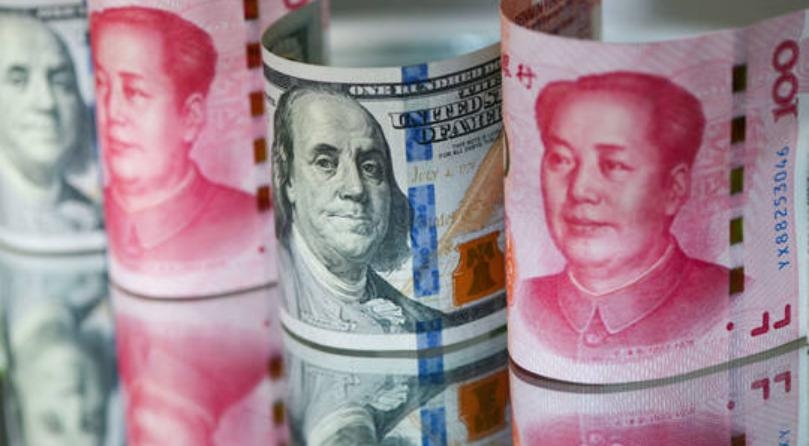
The share of the Chinese yuan on the Moscow Exchange (MOEX) hit an all-time high in March, the Bank of Russia (CBR) reported in a monthly financial market overview published on Monday.The yuan accounted for 39% of the total volume of trading in major currencies, up from 37% in February, according to the CBR. Meanwhile, the dollar’s share dropped to 34%, from 36% in the prior month. To compare, the greenback’s share a year ago was 87.6%, while the yuan’s was just 0.32%.“Market participants continued to reduce the volume of transactions in ‘toxic’ currencies in exchange trading,” the regulator concluded. The dollar, along with the euro, was deemed ‘toxic’ because Ukraine-related Western sanctions against Russia jeopardized the use of these currencies in Russia’s transactions with foreign partners.Prior to February, the yuan had never outpaced the dollar on MOEX in terms of monthly trading volume. By the end of February, the volume of trading in the ruble-yuan pair amounted to 1.49 trillion rubles ($18.1 billion) against 1.43 trillion ($17.4 billion) in the dollar-ruble pair. In March, turnover in the yuan grew further to 2 trillion rubles ($24.3 billion), against 1.7 trillion rubles ($20.7 billion) worth of transactions with the dollar.It was also noted that, in contrast to the previous months, Russian citizens significantly increased the volume of yuan purchases, from 11.6 billion rubles in February to 41.9 billion in March. Russian banks offer foreign currency accounts, while foreign currency can also be purchased through banks and money exchanges. Some Russians buy other currencies to hedge against volatility in the ruble.Analysts say the changes in the yuan and dollar trading volumes reflect Russia’s move away from transacting in the currencies of so-called 'unfriendly' countries against the backdrop of sanctions. The restrictions include the blacklisting of a number of Russian banks and their removal from the SWIFT interbank messaging system, as well as bans on transactions with Russian financial entities and the freezing of foreign exchange reserves. In February, Finance Minister Anton Siluanov said the country no longer trusts the US currency, calling it “a completely unreliable instrument.”More recently, in late March, Russian President Vladimir Putin said the country would have continued to use the dollar, but sanctions forced it to de-dollarize.“We would use the dollar, but they won’t allow us to do that, so how do we make payments? In a currency that is acceptable to our trading partners. The yuan is one such currency, especially since it is also used by the International Monetary Fund,” the Russian president stated.

11-04-2023 17:50

Gold prices drift higher as investors focus on US Fed meeting

Gold prices edged higher on Tuesday, with investors looking forward to the Federal Reserve policy meeting as expectations grew that the U.S. central bank would slow its monetary policy tightening given the upheaval in the banking sector.Spot gold was up 0.2% at $1,982.29 per ounce, as of 0546 GMT. U.S. gold futures ticked up 0.1% to $1,984.30.According to the CME FedWatch tool, markets are pricing in a 26.9% chance that the Fed will stand pat at the end of its March 21-22 meeting, with a 73.1% chance of a 25-basis-point (bps) hike."Gold is trading around the $1,980 level and well within yesterday's range, which was clearly a game of two halves," said Matt Simpson, a senior market analyst at City Index."A pause (in rate hikes) could send gold back above $2,000 initially, but for it to hold onto those gains, we'd need to see a lower dot plot and dovish press conference ... they're more likely to hike by 25 bps and peddle a 'data dependent' angle."Gold is considered a safe haven during times of financial uncertainty, and lower interest rates make non-yielding bullion more attractive by reducing the opportunity cost of holding it.In volatile trading on Monday, gold prices initially fell by 1%, but reversed course to jump to their highest since March 2022 at $2,009.59, as investors digested the impact of measures taken by several central banks to contain a banking crisis and stabilise global financial markets.UBS agreed to buy rival Credit Suisse on Sunday for $3.23 billion in a shotgun merger engineered by Swiss authorities, which stemmed selling in bank shares though the mood was fragile."Despite banking regulators rushing to shore up market confidence, the uncertain macro backdrop continues to entice buying (in gold)," analysts at ANZ said in a note.Spot silver rose 0.2% to $22.57 per ounce, platinum edged down 0.2% to $986.53 and palladium was 0.2% higher at $1,417.54.

21-03-2023 09:46

{{ article.title }}

{{safeHTML(article.Text)}}

{{ formatCategoryDate(article.publishDate) }}

Article Image

More