






Since the signing of the ceasefire agreement between Lebanon and Israel in 2024, the facts have been clear to everyone. Israel remained present in certain points in southern Lebanon and carried out occasional targeted strikes against Hezbollah members and positions. Yet Hezbollah did not respond. It did not open a front, did not launch a war, and did not enter into a full-scale confrontation.
The paradox, however, is that the party only moved when Iran itself was targeted and Ali Khamenei was killed.
This raises a simple question that many prefer to avoid: if Hezbollah did not respond to strikes that directly targeted it inside Lebanon, why does retaliation suddenly become necessary when the matter concerns Iran? And if Hezbollah believes it must respond to the killing of the Supreme Leader of the Islamic Republic, did Iran itself respond when Hassan Nasrallah was killed?
These questions are not minor details. They go to the heart of Lebanon’s crisis: is Lebanon a sovereign state with its own national decision-making, or merely a stage for the conflicts of others?
The reality, known to all, is that Israel was not seeking to open a war with Lebanon at that time. All parties—including Hezbollah itself—were aware that there was a clear international umbrella aimed at keeping Lebanon out of the confrontation, provided Hezbollah refrained from entering the regional war.
But the opposite happened.
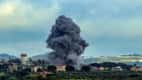
The decision for war was not taken in Beirut; it was taken in Tehran. As a result, Hezbollah not only dragged Lebanon into war, it also forced its own social base to pay the price. Thousands of Shiite families were displaced from their homes, villages, and towns, because this was not Lebanon’s war—it was Iran’s war fought on Lebanese soil.
What is even more troubling is that this decision cannot be attributed to a mere miscalculation.
In a previous war, it may have been understandable that Hassan Nasrallah underestimated the scale of Israel’s military and technological capabilities. But after that experience—and after the extent of Israel’s intelligence and military power became clear—it is no longer acceptable for Hezbollah’s leadership to embark on another reckless adventure whose catastrophic consequences were already predictable.
The problem is no longer ignorance of the consequences.
The problem is the deliberate disregard for them.
To push Lebanon into a war it does not want, to devastate the villages of the south, to force people out of their homes, and to place the entire country on the brink of collapse—simply because Tehran needs an additional pressure card in its regional struggle—this is not resistance. It is a gamble with an entire nation.
Lebanon is not Iran’s forward battlefield.
And the Lebanese are not obliged to die defending a regime in Tehran.
A state that respects itself does not fight the wars of others, nor does it allow its people to become fuel for conflicts that are not their own.
Lebanon, however, has paid the price of this distorted equation for decades.
And the time has come for it to end.
The paradox, however, is that the party only moved when Iran itself was targeted and Ali Khamenei was killed.
This raises a simple question that many prefer to avoid: if Hezbollah did not respond to strikes that directly targeted it inside Lebanon, why does retaliation suddenly become necessary when the matter concerns Iran? And if Hezbollah believes it must respond to the killing of the Supreme Leader of the Islamic Republic, did Iran itself respond when Hassan Nasrallah was killed?
These questions are not minor details. They go to the heart of Lebanon’s crisis: is Lebanon a sovereign state with its own national decision-making, or merely a stage for the conflicts of others?
The reality, known to all, is that Israel was not seeking to open a war with Lebanon at that time. All parties—including Hezbollah itself—were aware that there was a clear international umbrella aimed at keeping Lebanon out of the confrontation, provided Hezbollah refrained from entering the regional war.
But the opposite happened.
The decision for war was not taken in Beirut; it was taken in Tehran. As a result, Hezbollah not only dragged Lebanon into war, it also forced its own social base to pay the price. Thousands of Shiite families were displaced from their homes, villages, and towns, because this was not Lebanon’s war—it was Iran’s war fought on Lebanese soil.
What is even more troubling is that this decision cannot be attributed to a mere miscalculation.
In a previous war, it may have been understandable that Hassan Nasrallah underestimated the scale of Israel’s military and technological capabilities. But after that experience—and after the extent of Israel’s intelligence and military power became clear—it is no longer acceptable for Hezbollah’s leadership to embark on another reckless adventure whose catastrophic consequences were already predictable.
The problem is no longer ignorance of the consequences.
The problem is the deliberate disregard for them.
To push Lebanon into a war it does not want, to devastate the villages of the south, to force people out of their homes, and to place the entire country on the brink of collapse—simply because Tehran needs an additional pressure card in its regional struggle—this is not resistance. It is a gamble with an entire nation.
Lebanon is not Iran’s forward battlefield.
And the Lebanese are not obliged to die defending a regime in Tehran.
A state that respects itself does not fight the wars of others, nor does it allow its people to become fuel for conflicts that are not their own.
Lebanon, however, has paid the price of this distorted equation for decades.
And the time has come for it to end.