




The Daily Star
Lebanon’s presidential race seems to be moving into full gear even though the election of a new head of state is more than seven months away.
Next year’s presidential battle is deemed crucial for the country’s stability as Lebanon faces tough security challenges and deep national divisions threatening its unity as a result of the ramifications of the war in Syria.
“The presidential elections in Lebanon have kicked off. What is needed in this stage is to agree on how to administer the transitional period with the least damage,” MP Walid Jumblatt told As-Safir newspaper in an interview last week.
“We have entered the battle for the presidential elections,” March 14 MP Marwan Hamade said in a radio interview. He said the identity of the new president had not been decided yet, especially since the chances of extending President Michel Sleiman’s term still existed.
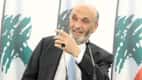
The past few days saw the country’s top Maronite political leaders – former President Amine Gemayel, Free Patriotic Movement leader MP Michel Aoun and Lebanese Forces chief Samir Geagea, all presidential aspirants – calling for the election of a new president to succeed Sleiman, whose six-year term in office expires on May 25 next year.
The three leaders’ stances amounted to an implicit rejection of attempts to extend Sleiman’s mandate for three years as had happened with former Presidents Elias Hrawi and Emile Lahoud.
Next year’s presidential vote comes against the backdrop of grave complications both at home and in the region, where the 30-month conflict in Syria is leaving adverse repercussions on Lebanon fragile security and stability.
Worse still, the absence of an agreement between the rival March 8 and March 14 leaders on the election of a consensus president as was the case with Sleiman’s election in May 2008 has heightened fears of the country slipping into a presidential vacuum if Parliament fails to elect a new president on time.
Caretaker Interior Minister Marwan Charbel said Lebanon faced one of three possibilities: the election of a new president, extension of Sleiman’s term or a vacuum in the presidency post.
“So far, there is no agreement between the [rival] parties on the election of a consensus president. Should this lack of agreement continue, the choice will be between an extension [of Sleiman’s mandate] and a vacuum,” Charbel told The Daily Star Monday. “Given a choice between a vacuum and an extension, the lawmakers will choose the lesser of two evils: the extension.”
Charbel said that if Parliament failed to elect a new president or agree on an extension of Sleiman’s mandate, the country was headed for a presidential vacuum.
However, he predicted that the lawmakers might at the last minute agree on a consensus president. Charbel said regional and international powers play a role in the election of a new president as had happened in the past.
Political analysts said inter-Lebanese divisions and the turmoil in the region, particularly the war and its effects on Lebanon, have made holding the presidential elections difficult if not impossible.
“The presidential elections are highly unlikely because of the regional situation, mainly in Syria and its ramifications on Lebanon,” Hilal Khashan, a professor of political science at the American University of Beirut, told The Daily Star.
After failing to agree on a new electoral law to hold elections planned for last June, March 8 and March 14 lawmakers teamed up in a rare show of unity to extend Parliament’s mandate for 17 months.
“How can a Parliament which renewed its mandate elect a president? We have a Parliament that has extended its term. We have a resigned government that continues to operate. We have vacant positions in security agencies that have received extension,” Khashan said, referring to the extension of Army commander Gen. Jean Kahwagi’s term.
“If the trend is to extend the term of everybody, why doesn’t it apply to the president?” he asked.
Citing divisions among the March 8 and March 14 parties on key domestic issues as well as the war in Syria, Khashan said: “The political situation is not conducive for the election of a new president. Amid the current standoff and political polarization, it is impossible to reach a consensus on a new president. Therefore, the most likelihood is to extend President Sleiman’s term for three years on a one-time basis.”
Fadia Kiwan, head of the political science department at St. Joseph University, disagreed with Khashan, saying Lebanon was heading toward the election of a new president despite the popular upheavals and instability in the region.
“What is needed now is the formation of a new Cabinet that can enjoy the support of the broadest sections of the Lebanese,” Kiwan told The Daily Star. She said the Cabinet formation, stalled for more than six months, was essential to pave the way for the election of a new president.
Acknowledging that “regional and international factors” have influence on the characteristics of the new president, Kiwan said: “Despite the tension and divisions among the Lebanese factions, Lebanon is a country of miracles where the Lebanese parties can at the last minute agree on the election of a new president.”
Sleiman has repeatedly voiced opposition to an extension of his term, vowing to challenge it if such a move were approved by Parliament.
In an interview with the General Security magazine published on Oct. 4, he warned that the country risked slipping into a presidential vacuum if a Parliament quorum for the election of a new president was thwarted as happened in 2008.
Lebanon was left without a president for seven months in 2008 after the Parliament failed for lack of quorum to elect a successor to Lahoud as lawmakers disagreed on their choice for president.
That standoff was ended after a political deal was struck by the March 8 and March 14 leaders in the Qatari capital of Doha in May 2008, leading to the election of Sleiman as a consensus president and the formation of a national unity Cabinet.
Hussein Dakroub
Next year’s presidential battle is deemed crucial for the country’s stability as Lebanon faces tough security challenges and deep national divisions threatening its unity as a result of the ramifications of the war in Syria.
“The presidential elections in Lebanon have kicked off. What is needed in this stage is to agree on how to administer the transitional period with the least damage,” MP Walid Jumblatt told As-Safir newspaper in an interview last week.
“We have entered the battle for the presidential elections,” March 14 MP Marwan Hamade said in a radio interview. He said the identity of the new president had not been decided yet, especially since the chances of extending President Michel Sleiman’s term still existed.
The past few days saw the country’s top Maronite political leaders – former President Amine Gemayel, Free Patriotic Movement leader MP Michel Aoun and Lebanese Forces chief Samir Geagea, all presidential aspirants – calling for the election of a new president to succeed Sleiman, whose six-year term in office expires on May 25 next year.
The three leaders’ stances amounted to an implicit rejection of attempts to extend Sleiman’s mandate for three years as had happened with former Presidents Elias Hrawi and Emile Lahoud.
Next year’s presidential vote comes against the backdrop of grave complications both at home and in the region, where the 30-month conflict in Syria is leaving adverse repercussions on Lebanon fragile security and stability.
Worse still, the absence of an agreement between the rival March 8 and March 14 leaders on the election of a consensus president as was the case with Sleiman’s election in May 2008 has heightened fears of the country slipping into a presidential vacuum if Parliament fails to elect a new president on time.
Caretaker Interior Minister Marwan Charbel said Lebanon faced one of three possibilities: the election of a new president, extension of Sleiman’s term or a vacuum in the presidency post.
“So far, there is no agreement between the [rival] parties on the election of a consensus president. Should this lack of agreement continue, the choice will be between an extension [of Sleiman’s mandate] and a vacuum,” Charbel told The Daily Star Monday. “Given a choice between a vacuum and an extension, the lawmakers will choose the lesser of two evils: the extension.”
Charbel said that if Parliament failed to elect a new president or agree on an extension of Sleiman’s mandate, the country was headed for a presidential vacuum.
However, he predicted that the lawmakers might at the last minute agree on a consensus president. Charbel said regional and international powers play a role in the election of a new president as had happened in the past.
Political analysts said inter-Lebanese divisions and the turmoil in the region, particularly the war and its effects on Lebanon, have made holding the presidential elections difficult if not impossible.
“The presidential elections are highly unlikely because of the regional situation, mainly in Syria and its ramifications on Lebanon,” Hilal Khashan, a professor of political science at the American University of Beirut, told The Daily Star.
After failing to agree on a new electoral law to hold elections planned for last June, March 8 and March 14 lawmakers teamed up in a rare show of unity to extend Parliament’s mandate for 17 months.
“How can a Parliament which renewed its mandate elect a president? We have a Parliament that has extended its term. We have a resigned government that continues to operate. We have vacant positions in security agencies that have received extension,” Khashan said, referring to the extension of Army commander Gen. Jean Kahwagi’s term.
“If the trend is to extend the term of everybody, why doesn’t it apply to the president?” he asked.
Citing divisions among the March 8 and March 14 parties on key domestic issues as well as the war in Syria, Khashan said: “The political situation is not conducive for the election of a new president. Amid the current standoff and political polarization, it is impossible to reach a consensus on a new president. Therefore, the most likelihood is to extend President Sleiman’s term for three years on a one-time basis.”
Fadia Kiwan, head of the political science department at St. Joseph University, disagreed with Khashan, saying Lebanon was heading toward the election of a new president despite the popular upheavals and instability in the region.
“What is needed now is the formation of a new Cabinet that can enjoy the support of the broadest sections of the Lebanese,” Kiwan told The Daily Star. She said the Cabinet formation, stalled for more than six months, was essential to pave the way for the election of a new president.
Acknowledging that “regional and international factors” have influence on the characteristics of the new president, Kiwan said: “Despite the tension and divisions among the Lebanese factions, Lebanon is a country of miracles where the Lebanese parties can at the last minute agree on the election of a new president.”
Sleiman has repeatedly voiced opposition to an extension of his term, vowing to challenge it if such a move were approved by Parliament.
In an interview with the General Security magazine published on Oct. 4, he warned that the country risked slipping into a presidential vacuum if a Parliament quorum for the election of a new president was thwarted as happened in 2008.
Lebanon was left without a president for seven months in 2008 after the Parliament failed for lack of quorum to elect a successor to Lahoud as lawmakers disagreed on their choice for president.
That standoff was ended after a political deal was struck by the March 8 and March 14 leaders in the Qatari capital of Doha in May 2008, leading to the election of Sleiman as a consensus president and the formation of a national unity Cabinet.
Hussein Dakroub