






Reuters
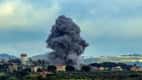
The Israeli military launched an attack on Gaza on Sunday, Israeli media and residents reported, dimming hopes that a U.S.-mediated ceasefire would lead to lasting peace in the enclave as Israel traded blame with Palestinian militant group Hamas.
Israel’s attacks on Sunday were the most serious test of an already fragile ceasefire, which took effect on October 11.
Palestinians in Gaza told Reuters they heard explosions and gunfire in Rafah in the south of the strip and witnesses separately reported heavy gunfire from Israeli tanks in the eastern town of Abassan near Khan Younis, also in southern Gaza.
Witnesses in Khan Younis heard a wave of airstrikes launched into Rafah early on Sunday afternoon.
An Israeli government spokesperson, when asked for confirmation of the attacks, deferred to the military. The military had no immediate comment.
Local health authorities in Gaza said on Sunday two Palestinians were killed in an Israeli airstrike in the eastern Jabalia area of northern Gaza.
The Times of Israel reported that the military was conducting airstrikes in the Rafah area after militants attacked forces there, though it did not cite a source for the information.
An Israeli military official said on Sunday that Hamas had carried out multiple attacks against Israeli forces inside Gaza, including a rocket-propelled grenade attack and a sniper attack against Israeli soldiers.
"Both of the incidents happened in an Israeli-controlled area...This is a bold violation of the ceasefire," the official said.
Senior Hamas official Izzat Al Risheq said on Sunday that the Palestinian militant group remained committed to the ceasefire, which he accused Israel of repeatedly violating.
Neither Al Risheq nor the Israeli military official made any mention of Sunday's reported Israeli strikes in Gaza.
The government media office in Gaza said on Saturday that Israel had committed 47 violations after the ceasefire deal, leaving 38 dead and 143 wounded.
"These violations have ranged from direct shooting at civilians, to deliberate shelling and targeting operations, as well as the arrest of several civilians," the media office statement said.
Israel’s attacks on Sunday were the most serious test of an already fragile ceasefire, which took effect on October 11.
Palestinians in Gaza told Reuters they heard explosions and gunfire in Rafah in the south of the strip and witnesses separately reported heavy gunfire from Israeli tanks in the eastern town of Abassan near Khan Younis, also in southern Gaza.
Witnesses in Khan Younis heard a wave of airstrikes launched into Rafah early on Sunday afternoon.
An Israeli government spokesperson, when asked for confirmation of the attacks, deferred to the military. The military had no immediate comment.
Local health authorities in Gaza said on Sunday two Palestinians were killed in an Israeli airstrike in the eastern Jabalia area of northern Gaza.
The Times of Israel reported that the military was conducting airstrikes in the Rafah area after militants attacked forces there, though it did not cite a source for the information.
An Israeli military official said on Sunday that Hamas had carried out multiple attacks against Israeli forces inside Gaza, including a rocket-propelled grenade attack and a sniper attack against Israeli soldiers.
"Both of the incidents happened in an Israeli-controlled area...This is a bold violation of the ceasefire," the official said.
Senior Hamas official Izzat Al Risheq said on Sunday that the Palestinian militant group remained committed to the ceasefire, which he accused Israel of repeatedly violating.
Neither Al Risheq nor the Israeli military official made any mention of Sunday's reported Israeli strikes in Gaza.
The government media office in Gaza said on Saturday that Israel had committed 47 violations after the ceasefire deal, leaving 38 dead and 143 wounded.
"These violations have ranged from direct shooting at civilians, to deliberate shelling and targeting operations, as well as the arrest of several civilians," the media office statement said.