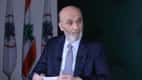






The head of the Lebanese Forces Party Samir Geagea considered that “the US–Iran agreement is very clear. U.S. President Donald Trump wants to get rid of economic pressures and high oil prices, and this is indeed what happened as we saw prices drop after lifting the blockade, while all other files have returned to square one.”
He added that “the Geneva agreement is not a shock, and sometimes we live in a state of collective delusion. The only practical steps that actually happened are the opening of the Strait of Hormuz and the lifting of the maritime blockade; everything else is just ‘selling fish in the sea’.”
He added in his interview on MTV’s “It's About Time” program: “Trump is ‘confusing’ and may mean something other than what he says. He did not call Hezbollah; rather, the US ambassador contacted Speaker Nabih Berri, and Abdullah Safieddine sometimes communicates with Qatari authorities and accompanied the Iranian delegation to the negotiation session, but as an Iranian citizen.”
He also pointed out that “Iran will not give up enriched uranium,” casting doubt on the implementation of any clause of the Iranian–American agreement within 60 days.
Geagea continued: “Israel has declared it is not concerned with the agreement, and the Americans have imposed sanctions on Lebanese political figures after this understanding, which means nothing has changed and things in the south remain as they are. We cannot rush things.” He stressed that “the direction the Lebanese state is taking is the only one capable of achieving a ceasefire agreement, and what happened on the ground in recent days is a ‘show.’”
He noted that Mufti Ahmad Qabalan “has been part of the Iranian Middle East for 40 years, and what happened is that we have gone back to February 27, 2026.”
Geagea considered that “Iran did not secure any ceasefire; rather, it was Trump who did, and he can maneuver around the agreement amid voices emerging in the United States, similar to former President Barack Obama’s agreement.” He said: “We Lebanese are responsible for ourselves and for Lebanon, not the United States. Hezbollah is at the top of the American list of demands.”
He added: “I do not rely on Israel or the Americans, and we thank the President and Prime Minister for taking the path to where we are today.” He said: “We have lived and died until we saw a President of the Republic delivering the kind of speech President Joseph Aoun gives today.”
He continued: “The Lebanese state did well by going into direct negotiations in Washington, and I wish Speaker Berri would use his intelligence in useful places. The Islamabad track is controlled by Iranian interests, not Lebanese ones.”
He considered that “Iranians are implementing their interests in the Islamabad track as they have done for 40 years, and they have ruined Lebanon,” stressing that “the Lebanese state, when it wants to, is certainly capable, but the deep state does not want that.”
He emphasized the need for the political authority to “address how to deal with the deep state situation. Trump says he will rely either on Israel or on al-Sharaa, but where is the role of the Lebanese state?” He said: “The deep state must be ended and the necessary administrative appointments carried out, as in all countries. I reject describing the army as if it were a scouting movement; we cannot continue like this.”
Regarding the Qard al-Hasan file, Geagea said: “I did not ask the Minister of Justice Adel Nassar to put the file on the Cabinet agenda; the minister is already doing his job.”
Regarding the Lebanese state’s decision concerning the Iranian ambassador in Beirut, he said: “It is not an option to reverse the government’s decision declaring the Iranian ambassador persona non grata, and I do not believe the President or Prime Minister are considering that.”
On concerns about Syrian interference in Lebanon, he said: “The President has stated several times that Syrian interference in Lebanon is not on the table, and both Syrian President Ahmad al-Sharaa and Saudi Arabia do not agree, so this proposal is unacceptable and has no chance.” He added: “I have not visited Syria yet, waiting for the new regime to consolidate its foundations, but communication is ongoing.”
Geagea also noted that “Iran’s only victory is that it ‘walked away unscathed,’ and the war ended without the regime falling. If I were in the President’s place, this would have been resolved long ago, and he must be serious so that people take him seriously.”
In response to Berri, Geagea commented: “The problem is Hezbollah’s existence, not the ceasefire.”
He continued: “The President is the one negotiating, and if I were in his place, I would have met Israeli Prime Minister Benjamin Netanyahu when negotiations lead to a result.”
On excluding the Foreign Minister from negotiations with Israel, he said: “I am not upset; the Director-General of the Foreign Ministry is present in the follow-up cell at the Presidential Palace.”
Regarding talk about attempts to topple the government, he said: “Anyone who wants to topple the government must have 9 ministers or 65 MPs, and neither applies to Hezbollah. If they want to topple it in the streets, then there are now streets opposing them.”
On the idea of a “mini-Doha conference,” he said: “We do not accept it, it is not on the table, no one has spoken about it, and the government will not fall.”
He added, stressing that “Iran must pay Lebanon the costs of the war and reconstruction because it caused the war, and it is unjust for Lebanon to bear it,” revealing that “a parliamentary petition is being prepared on this matter.”
He said: “I have never stood against the Shiite community. As a son of Bcharre and Deir Al-Ahmar, we are from one region, and we are not distant from each other. If they had listened to what we said 10 years ago, we would have spared the Shiites a lot.”
He also confirmed that MPs Ashraf Rifi and Fouad Makhzoumi are among their closest allies, and that the Abra events were largely fabricated and many unjust rulings were issued, requiring an amnesty law, and that the matter is now with Speaker Berri.
On electricity, Geagea noted that “we are facing a choice between raising tariffs or the state paying its dues to Electricité du Liban, as promised by Prime Minister Nawaf Salam, until the fuel crisis is overcome; otherwise Minister Saddi will have to ‘step down.’”
He added that “the Geneva agreement is not a shock, and sometimes we live in a state of collective delusion. The only practical steps that actually happened are the opening of the Strait of Hormuz and the lifting of the maritime blockade; everything else is just ‘selling fish in the sea’.”
He added in his interview on MTV’s “It's About Time” program: “Trump is ‘confusing’ and may mean something other than what he says. He did not call Hezbollah; rather, the US ambassador contacted Speaker Nabih Berri, and Abdullah Safieddine sometimes communicates with Qatari authorities and accompanied the Iranian delegation to the negotiation session, but as an Iranian citizen.”
He also pointed out that “Iran will not give up enriched uranium,” casting doubt on the implementation of any clause of the Iranian–American agreement within 60 days.
Geagea continued: “Israel has declared it is not concerned with the agreement, and the Americans have imposed sanctions on Lebanese political figures after this understanding, which means nothing has changed and things in the south remain as they are. We cannot rush things.” He stressed that “the direction the Lebanese state is taking is the only one capable of achieving a ceasefire agreement, and what happened on the ground in recent days is a ‘show.’”
He noted that Mufti Ahmad Qabalan “has been part of the Iranian Middle East for 40 years, and what happened is that we have gone back to February 27, 2026.”
Geagea considered that “Iran did not secure any ceasefire; rather, it was Trump who did, and he can maneuver around the agreement amid voices emerging in the United States, similar to former President Barack Obama’s agreement.” He said: “We Lebanese are responsible for ourselves and for Lebanon, not the United States. Hezbollah is at the top of the American list of demands.”
He added: “I do not rely on Israel or the Americans, and we thank the President and Prime Minister for taking the path to where we are today.” He said: “We have lived and died until we saw a President of the Republic delivering the kind of speech President Joseph Aoun gives today.”
He continued: “The Lebanese state did well by going into direct negotiations in Washington, and I wish Speaker Berri would use his intelligence in useful places. The Islamabad track is controlled by Iranian interests, not Lebanese ones.”
He considered that “Iranians are implementing their interests in the Islamabad track as they have done for 40 years, and they have ruined Lebanon,” stressing that “the Lebanese state, when it wants to, is certainly capable, but the deep state does not want that.”
He emphasized the need for the political authority to “address how to deal with the deep state situation. Trump says he will rely either on Israel or on al-Sharaa, but where is the role of the Lebanese state?” He said: “The deep state must be ended and the necessary administrative appointments carried out, as in all countries. I reject describing the army as if it were a scouting movement; we cannot continue like this.”
Regarding the Qard al-Hasan file, Geagea said: “I did not ask the Minister of Justice Adel Nassar to put the file on the Cabinet agenda; the minister is already doing his job.”
Regarding the Lebanese state’s decision concerning the Iranian ambassador in Beirut, he said: “It is not an option to reverse the government’s decision declaring the Iranian ambassador persona non grata, and I do not believe the President or Prime Minister are considering that.”
On concerns about Syrian interference in Lebanon, he said: “The President has stated several times that Syrian interference in Lebanon is not on the table, and both Syrian President Ahmad al-Sharaa and Saudi Arabia do not agree, so this proposal is unacceptable and has no chance.” He added: “I have not visited Syria yet, waiting for the new regime to consolidate its foundations, but communication is ongoing.”
Geagea also noted that “Iran’s only victory is that it ‘walked away unscathed,’ and the war ended without the regime falling. If I were in the President’s place, this would have been resolved long ago, and he must be serious so that people take him seriously.”
In response to Berri, Geagea commented: “The problem is Hezbollah’s existence, not the ceasefire.”
He continued: “The President is the one negotiating, and if I were in his place, I would have met Israeli Prime Minister Benjamin Netanyahu when negotiations lead to a result.”
On excluding the Foreign Minister from negotiations with Israel, he said: “I am not upset; the Director-General of the Foreign Ministry is present in the follow-up cell at the Presidential Palace.”
Regarding talk about attempts to topple the government, he said: “Anyone who wants to topple the government must have 9 ministers or 65 MPs, and neither applies to Hezbollah. If they want to topple it in the streets, then there are now streets opposing them.”
On the idea of a “mini-Doha conference,” he said: “We do not accept it, it is not on the table, no one has spoken about it, and the government will not fall.”
He added, stressing that “Iran must pay Lebanon the costs of the war and reconstruction because it caused the war, and it is unjust for Lebanon to bear it,” revealing that “a parliamentary petition is being prepared on this matter.”
He said: “I have never stood against the Shiite community. As a son of Bcharre and Deir Al-Ahmar, we are from one region, and we are not distant from each other. If they had listened to what we said 10 years ago, we would have spared the Shiites a lot.”
He also confirmed that MPs Ashraf Rifi and Fouad Makhzoumi are among their closest allies, and that the Abra events were largely fabricated and many unjust rulings were issued, requiring an amnesty law, and that the matter is now with Speaker Berri.
On electricity, Geagea noted that “we are facing a choice between raising tariffs or the state paying its dues to Electricité du Liban, as promised by Prime Minister Nawaf Salam, until the fuel crisis is overcome; otherwise Minister Saddi will have to ‘step down.’”