






Reuters
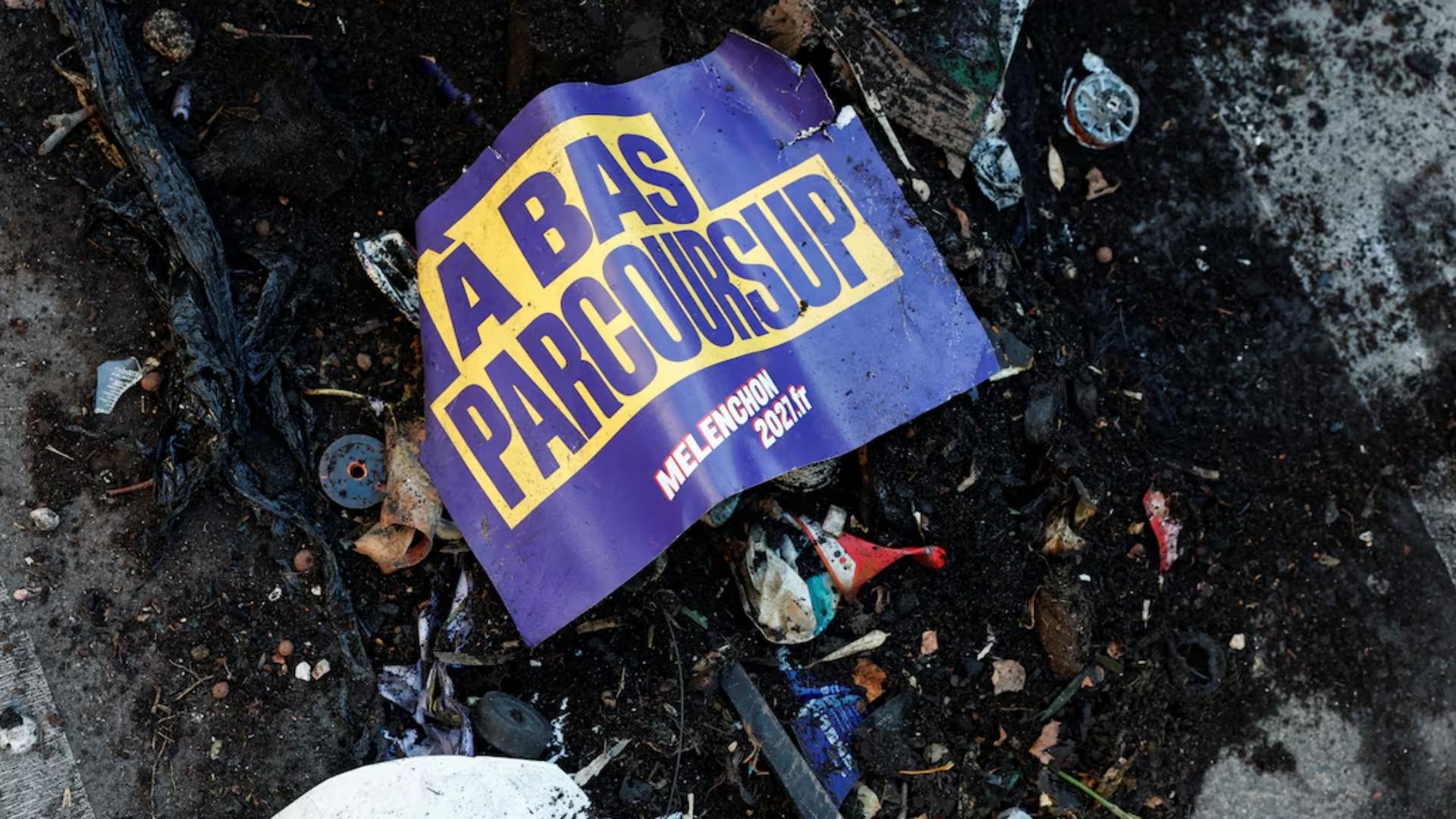
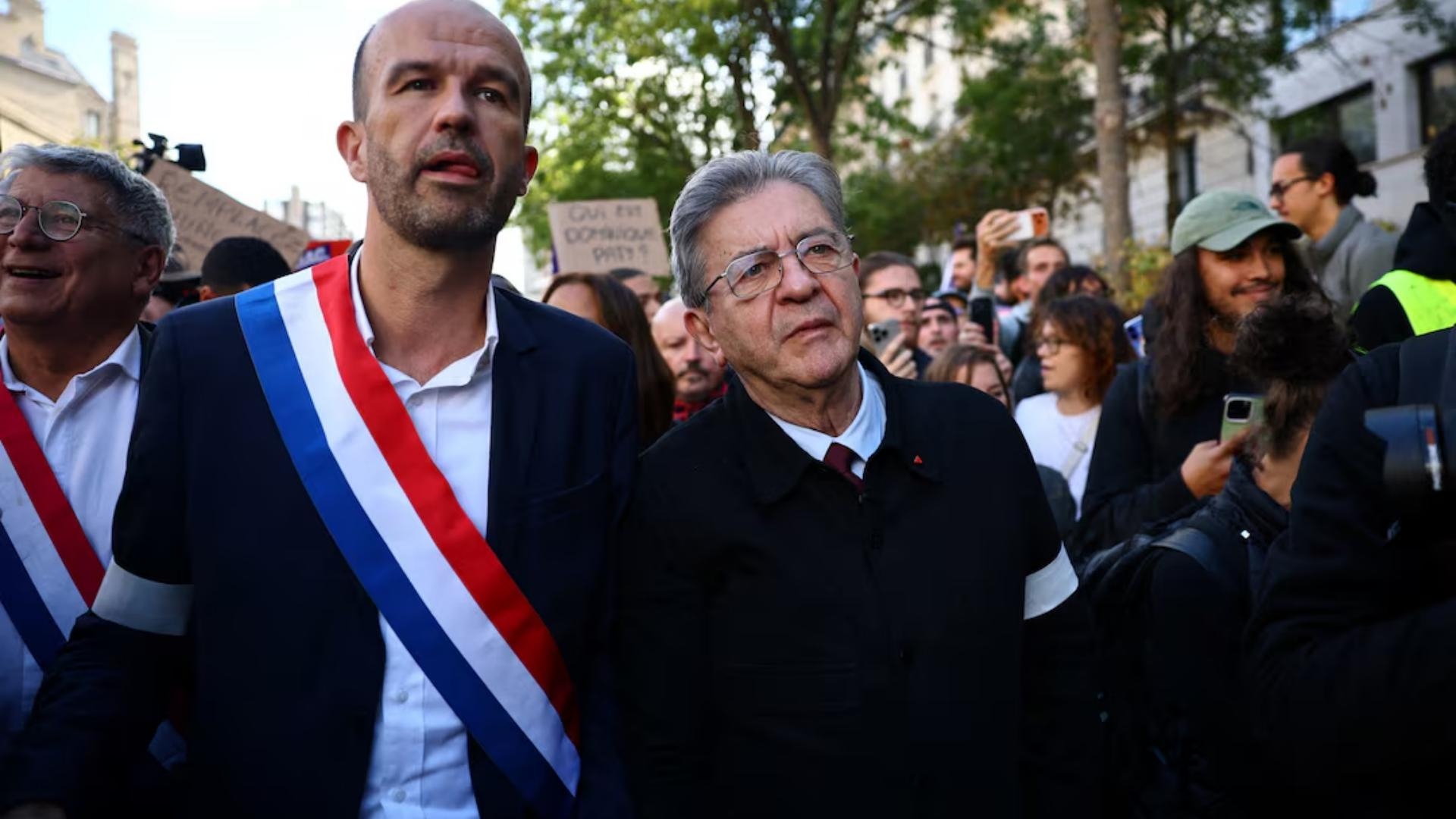
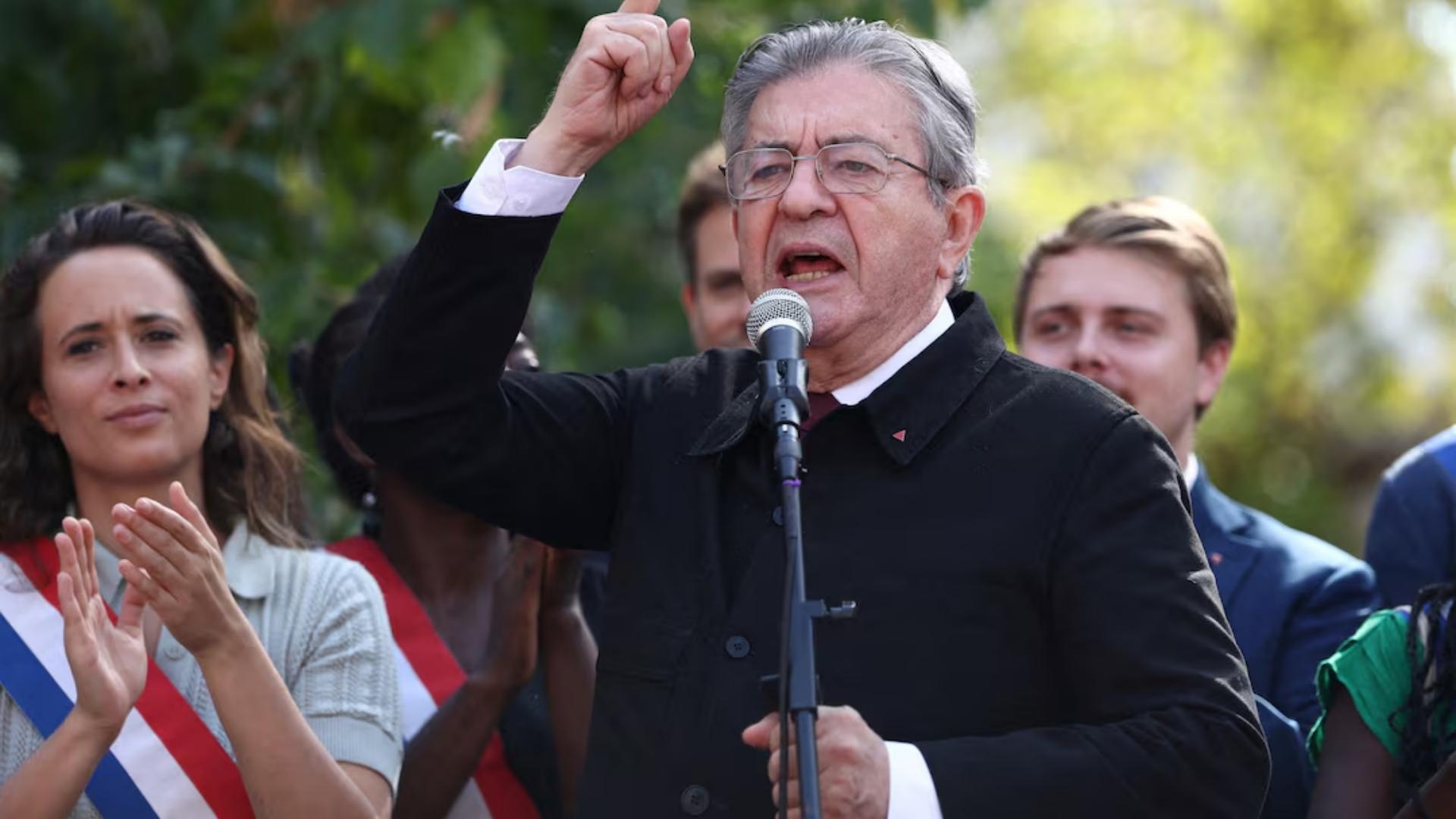
Rivals from the centre-left to the far right have turned on Jean-Luc Melenchon and his France Unbowed (LFI) party, accusing them of fuelling France's worst civil unrest in years.
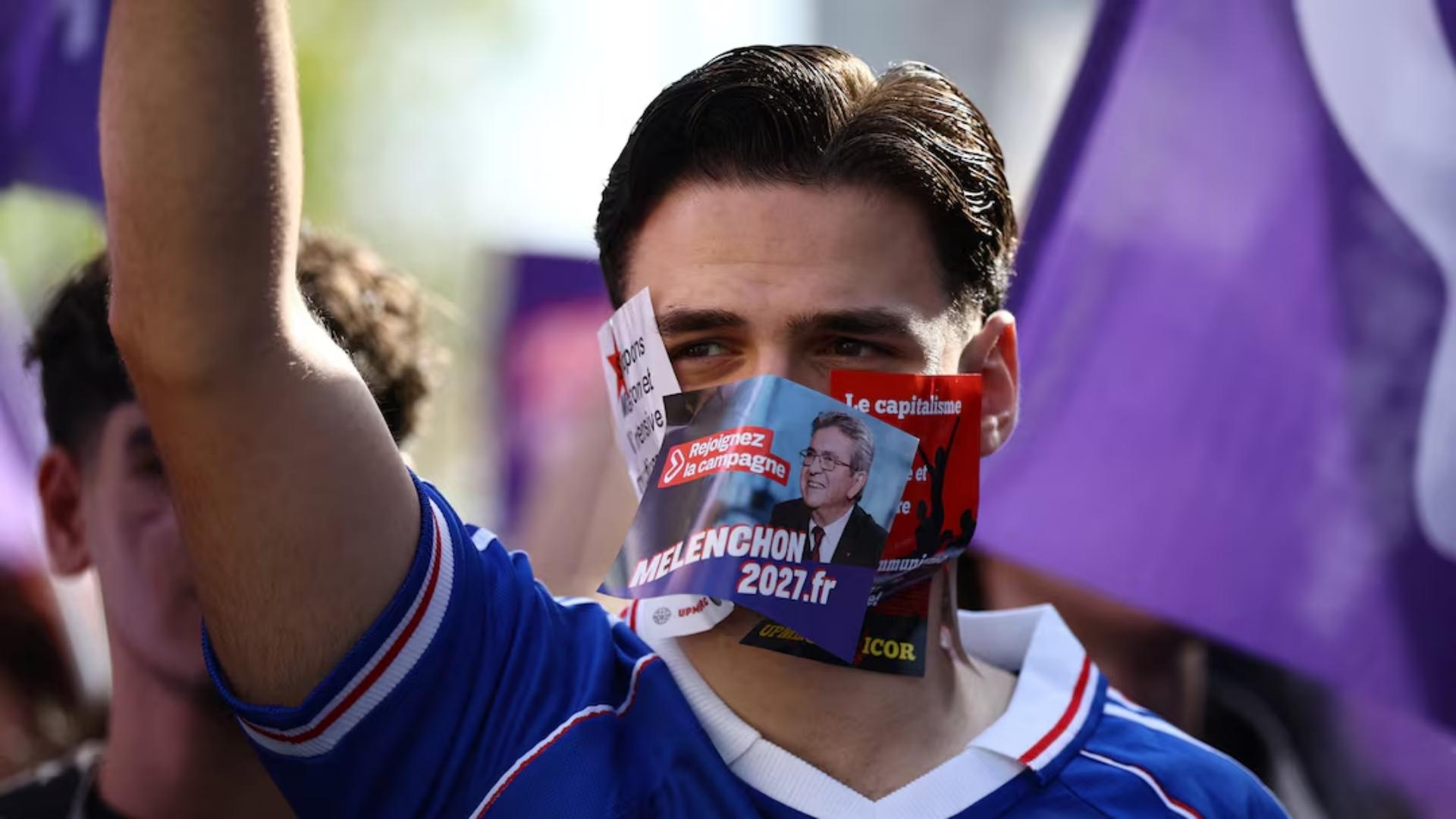
Melenchon, who launched his fourth presidential bid in May and remains the hard left's strongest hope of reaching next year's election run-off, has faced mounting criticism since unrest engulfed several French cities, with opponents saying years of confrontational rhetoric helped fuel tensions now spilling onto the streets.
Prime Minister Sebastien Lecornu sharpened those attacks on Tuesday, telling an LFI lawmaker that the party's "political agenda of instilling violence and chaos in the country was now on full display".
The 75-year-old leader has rejected suggestions that LFI bears responsibility for the unrest, accusing the government instead of failing to address deep-rooted social and economic grievances in France's poorer suburbs.
But criticism has come from across the political spectrum.
Gerard Larcher, the president of the Senate, told Le Figaro this week it was worth considering whether LFI should be banned, a suggestion decried as "authoritarian" by LFI.
Laurent Jacobelli, a spokesperson for Marine Le Pen's National Rally (RN), blamed "the ultra-left, including France Unbowed", as well as what he called uncontrolled immigration, for creating a revolutionary climate.
Marc Fesneau, of centrist party MoDem, said Melenchon had long promoted the idea that "everything must be a battleground".
"When you turn everything into a confrontation, you run serious risks," Fesneau told Reuters.
The attacks underscore both Melenchon's central place in French politics and the unease he provokes as the country heads toward a presidential election expected to pit increasingly strong anti-establishment forces against a weakened political centre.
The unrest has reinforced that contrast, shifting scrutiny onto the hard left while allowing Le Pen to strike a more presidential tone on law and order, an issue that traditionally favours the far right.
Yet with France's political landscape fragmented into three rival blocs and traditional centre-left and centre-right parties struggling, analysts say Melenchon remains a formidable political force.