






Lebanon has launched a five-year national strategy aimed at strengthening the rights and inclusion of persons with disabilities, shifting the country’s approach from welfare-based support to one centered on equality, citizenship and full participation.
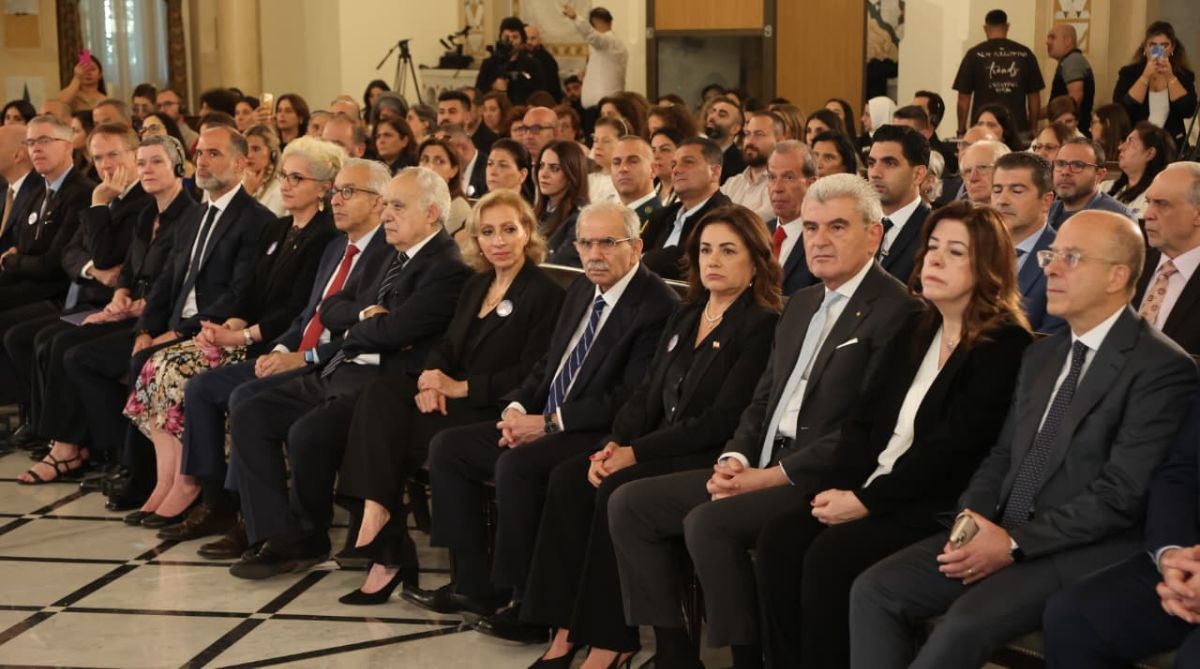
The National Strategy for the Rights and Inclusion of Persons with Disabilities in Lebanon (2026–2030) was unveiled at a ceremony at the Grand Serail in Beirut, under the patronage and in the presence of Prime Minister Nawaf Salam. The initiative was launched by the Ministry of Social Affairs in partnership with the United Nations Population Fund (UNFPA) and the United Nations Economic and Social Commission for Western Asia (ESCWA).
The strategy translates Lebanon’s commitment to the Convention on the Rights of Persons with Disabilities into a five-year action plan featuring reforms, policies and programmes designed to place disability rights at the heart of public policy, development and social justice.
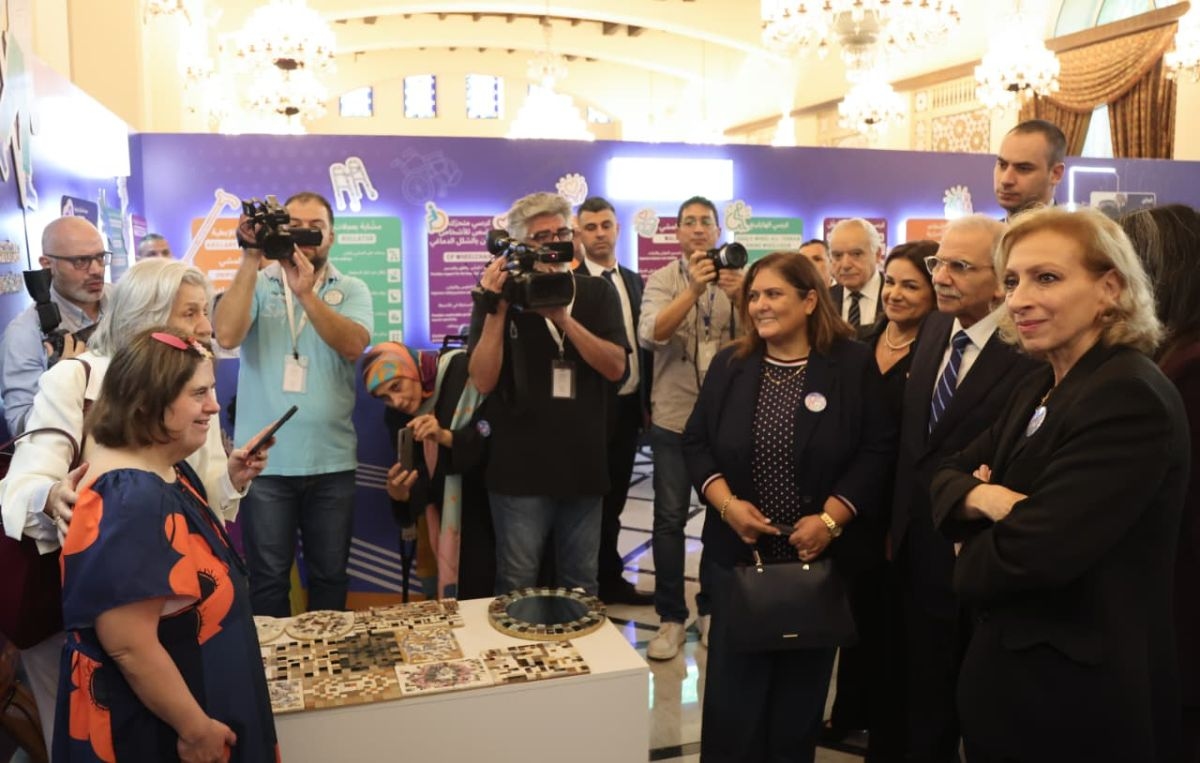
During the ceremony, Salam took part in an interactive virtual reality experience demonstrating how the design of public spaces can create barriers for persons with disabilities. The activity highlighted the importance of accessibility and universal design in ensuring equal access and participation.
The event also included a dialogue between persons with disabilities, their representative organizations and participating ministers, focusing on existing barriers, priorities and practical steps needed to implement the strategy across different sectors. Ministers concluded the programme by announcing specific commitments, which were recorded on a shared commitment wall under the slogan “Together for an Inclusive Lebanon.”
Government Pledges to Turn Rights Into Action
In his remarks, Salam said bridging the gap between rights enshrined in law and their implementation was an integral part of the government’s reform agenda.
“Reform is not limited to public finances, the banking sector and public administration. It also means building fairer, more effective institutions that serve all citizens without exception,” he said.
Addressing persons with disabilities, Salam stressed that they were not merely beneficiaries of the strategy but partners in its development, implementation, monitoring and accountability.
Social Affairs Minister Haneen Sayed described the initiative as a State strategy and a shared responsibility for all public institutions and ministries, rather than simply another document issued by her ministry.
She said the plan set a clear course for the next five years, adding that its success would ultimately be measured by whether every citizen could learn, work and participate in society.
ESCWA Executive Secretary Rania Al-Mashat said the launch marked the beginning of a new phase focused on implementation and translating rights and principles into tangible improvements in the lives of persons with disabilities. She reaffirmed ESCWA’s commitment to supporting the Lebanese government and working with persons with disabilities and their organizations to advance the strategy’s priorities.
UNFPA Representative Anandita Philipose also reiterated the organization’s support for Lebanon in turning its commitments into concrete policies, legislation and budgets, with the aim of building a society that upholds autonomy, dignity and full participation.
Ten Pillars and an Inclusive Emergency Response
The strategy is built around ten national pillars, covering legislation; disability assessment and diagnosis; education; healthcare; social and legal protection; economic empowerment and employment; accessibility; social and behavioural change; participation in political and public life; and access to cultural, tourism and sports activities.
It also outlines a roadmap for an inclusive emergency management system, ensuring that persons with disabilities receive protection and assistance with dignity and on an equal basis during all stages of emergencies.
The proposed framework covers preparedness, response and recovery, including access to life-saving services, safe evacuation, shelter and healthcare.
To oversee implementation, the strategy calls for a national coordination framework defining the roles and responsibilities of relevant stakeholders, alongside mechanisms for monitoring, accountability and measuring progress.
The participation of persons with disabilities and their representative organizations is identified as a central component of every stage of the process, from planning and implementation to monitoring and decision-making.