

Head of the Baalbek-Hermel Parliamentary Bloc MP Hussein Hajj Hassan rejected foreign interference in Lebanon’s internal and sovereign affairs, describing a joint statement by five embassies as a blatant violation of the country’s sovereignty.
Speaking at a ceremony honoring the families of Al-Mahdi High School martyrs in Shamshtar, Hajj Hassan called on the Lebanese government and Foreign Ministry to take a clear stance against foreign interference, stressing that Lebanon must manage its political, judicial, and national affairs independently.
He also accused the United States of repeatedly interfering in Lebanon’s judiciary over the case of the resistance explosives truck, citing statements by the US State Department, diplomatic contacts, and the US ambassador’s objections.
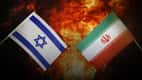
On regional developments, Hajj Hassan claimed that US President Donald Trump and members of his administration were considering war against Iran but remained hesitant over its potential consequences. He said this approach aligned with the interests of Israeli Prime Minister Benjamin Netanyahu and influential pro-Israel lobby groups in the United States.
He argued that US ambitions include controlling Iran’s oil resources, protecting Israel, and consolidating American influence across the region.
Hajj Hassan concluded that the resilience of Iran and regional resistance groups had increased the potential cost and complexity of any US-led military confrontation.