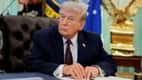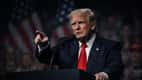


Days ago, attention was focused on the possibility of renewed US strikes on Iran following the midterm elections, with speculation even mounting over the potential use of nuclear weapons to end the war. However, US President Donald Trump has since shifted his position, speaking of the military end of the war and playing down the likelihood of a return to confrontation.
Trump’s remarks reflect a notable shift in the position of the US following the Republicans’ loss of control of both the House of Representatives and the Senate. They also raise questions over whether Trump has changed his calculations in the wake of the electoral defeat or is pursuing a new political maneuver to secure a deal with Tehran.
It is difficult to separate the outcome of the US midterm elections from public discontent over the fallout from the war with Iran, particularly as rising fuel prices have weighed on the US economy.The war, which has lasted nearly eight months, has become an economic and political burden locally. In a country where gasoline prices and purchasing power are key factors shaping voters’ choices, continued escalation carries an additional cost for the Trump administration and his party.
Against this backdrop, Trump’s shift in tone can be seen as an attempt to contain the fallout from the electoral defeat and redirect attention toward a potential diplomatic achievement. However, declaring the war over does not necessarily mean the confrontation has ended. The US president, who said military action was no longer necessary at this stage, had previously revealed that targets inside Iran had been identified.
This contradiction between calls for de-escalation and continued military pressure opens the door to another interpretation: Trump may be seeking to move the confrontation from the battlefield to the negotiating table while keeping the threat of force as leverage over Tehran.
However, the path to an agreement remains fraught with obstacles. Washington is demanding guarantees regarding Iran’s nuclear program, while Tehran is holding firm to its demands for sanctions relief, an end to the blockade, and guarantees against renewed attacks. Thus, US "optimism" does not mean a settlement is a foregone conclusion.
What is certain is that Trump’s electoral defeat has shifted the balance of power in Washington, while the real test of his intentions lies in actions, not statements. So far, the end of the war has been declared in words, but its military tools remain in place. Has Trump truly decided to turn the page on the war, or is he giving diplomacy one last chance before returning to escalation?