


The following statement was issued by the General Directorate of State Security – Media, Guidance and Public Relations Department:
As part of efforts to safeguard food security and protect public health, and in implementation of the directives of the President of the Republic and the Prime Minister in this regard, the General Directorate of State Security continues to conduct inspection campaigns to ensure food safety and compliance by relevant establishments with applicable health and legal standards.
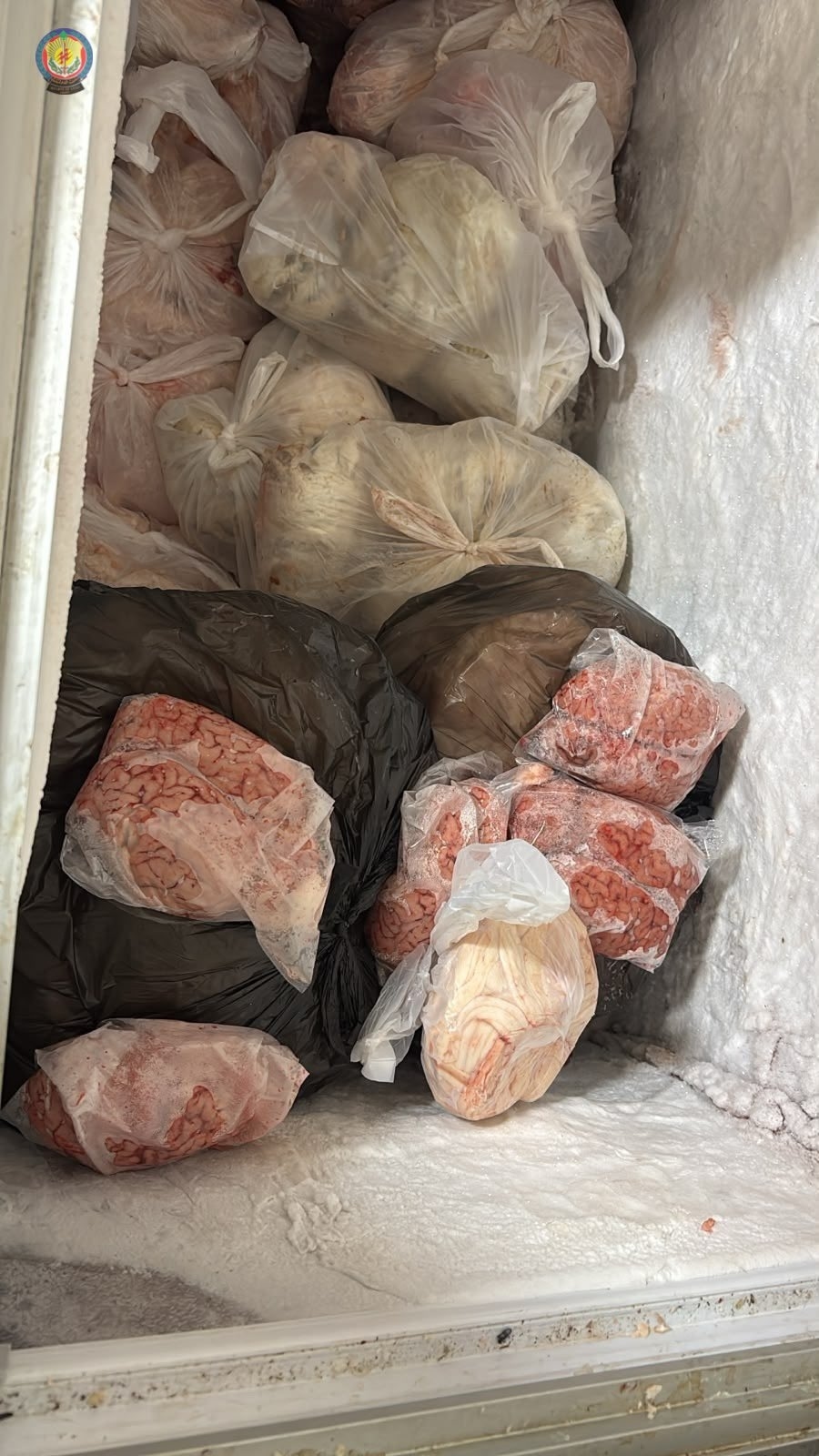
In this context, the South Regional Directorate – Saida Office, accompanied by a health inspector from the Ministry of Public Health, conducted field inspections at several butcher shops in the city of Saida. The inspections included checks of central refrigerators used to store and distribute refrigerated meat, as well as verification of compliance with food preservation, storage and health safety requirements.
The inspections revealed violations related to meat storage and preservation methods, prompting authorities to issue warnings to several establishments and require their operators to address the violations and improve storage conditions to ensure the safety of their products and their suitability for human consumption.
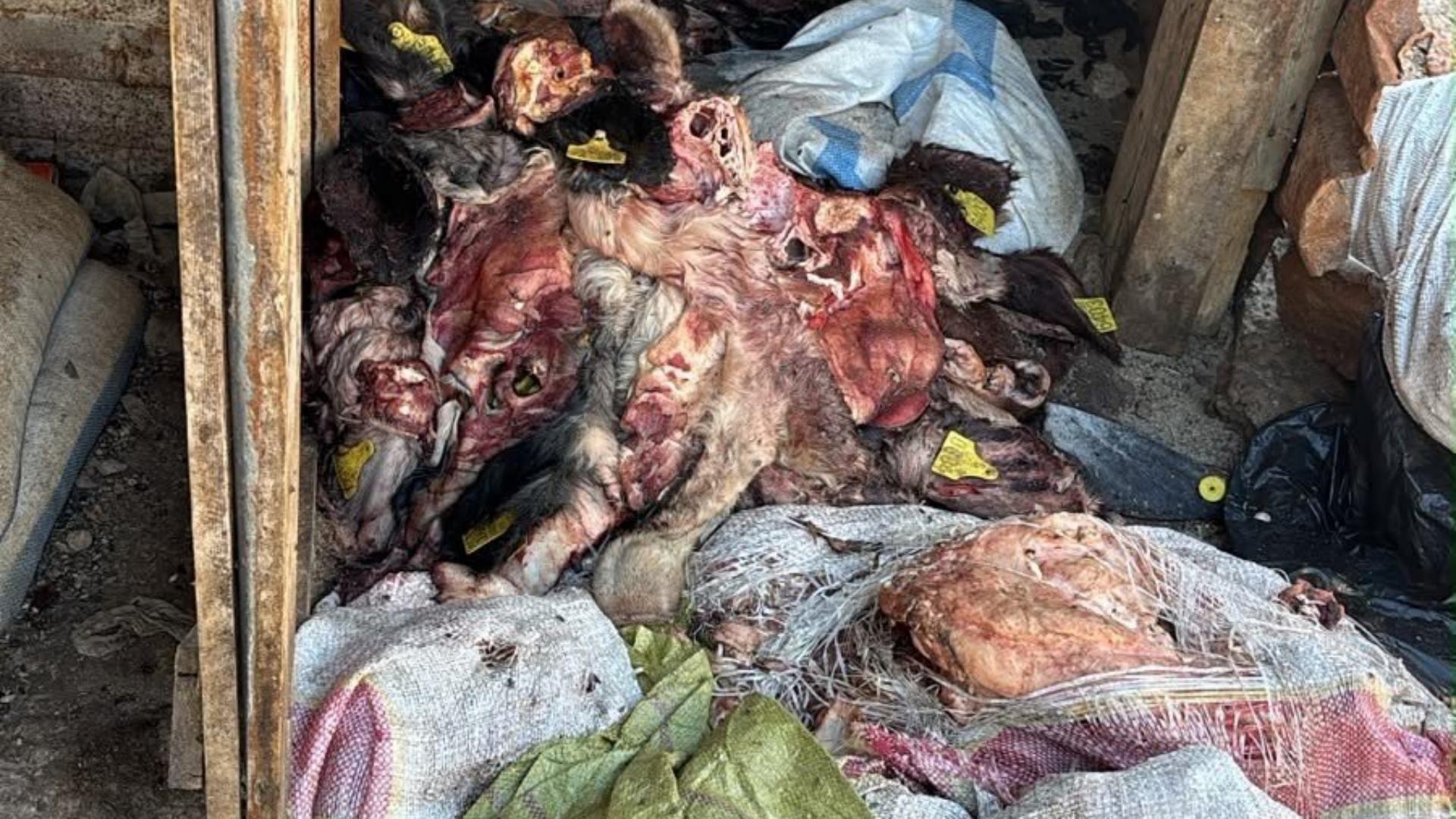
The campaign also resulted in the seizure of approximately 330 kilograms of animal products that failed to meet health standards at one of the shops. The products were destroyed at a landfill in the presence of the relevant health inspector, pursuant to instructions from South Lebanon Public Prosecutor Zahir Hamadeh.
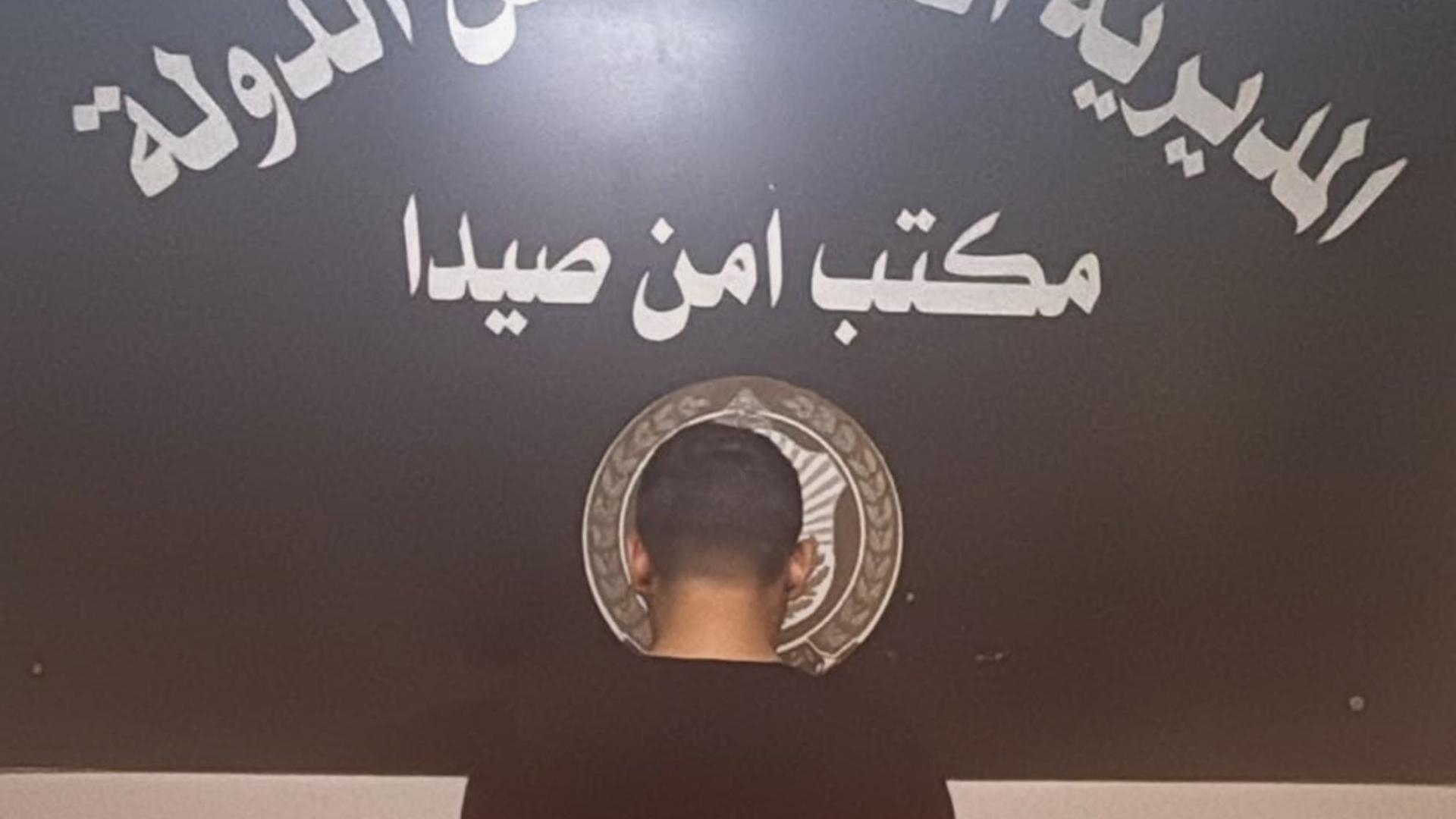
Following the incident, the shop owner, identified by the initials (M.J.), a Syrian national, was arrested on charges of selling meat that did not meet specifications. A separate violation report was also filed against him for breaching Lebanon's legal residency requirements.
The General Directorate of State Security reaffirmed that its inspection campaigns would continue in coordination with the relevant administrations and authorities, stressing that it would crack down on violations that endanger food safety and public health and take the necessary legal action against those responsible.