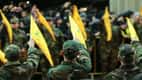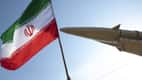






Naïm Qassem’s latest remarks, in which he described Lebanon as “a model of sacrifice, dignity, and liberation through its resistance, people, and army,” reveal a fundamental contradiction at the heart of today’s Lebanese crisis. They stand at odds with a growing national aspiration for sovereignty, stability, neutrality, and prosperity, and instead revive a political formula that belongs to a bygone era one that weakened the state and stripped it of its sovereign decision-making.
The return to this narrative is no longer realistic. Regional and global transformations, combined with a deeper Lebanese awareness of the cost of perpetual confrontation, have rendered such frameworks obsolete. Lebanon today is confronted with a choice between rebuilding a functional state or remaining captive to narratives that have repeatedly led it into isolation and conflict.
When Qassem asks, “What has Iran taken in return for supporting Hezbollah?” and insists that Iran does not support others for economic or political gain, the answer lies beyond material calculations. What has been taken is far more profound: the freedom, future, and right to a safe and normal life of many Lebanese.
By transforming villages into arms depots and the South into a missile platform serving a broader expansionist project, Lebanon’s sovereignty was steadily eroded. The country was pulled into wars it neither chose nor needed, at the expense of its security, stability, and social fabric.
What has been extracted from Lebanon cannot be measured in numbers or agreements. It is the cumulative loss of opportunity, safety, and agency an approach mirrored in Iran itself, where a society now rises in defense of dignity, freedom, and a future it refuses to surrender.
The return to this narrative is no longer realistic. Regional and global transformations, combined with a deeper Lebanese awareness of the cost of perpetual confrontation, have rendered such frameworks obsolete. Lebanon today is confronted with a choice between rebuilding a functional state or remaining captive to narratives that have repeatedly led it into isolation and conflict.
When Qassem asks, “What has Iran taken in return for supporting Hezbollah?” and insists that Iran does not support others for economic or political gain, the answer lies beyond material calculations. What has been taken is far more profound: the freedom, future, and right to a safe and normal life of many Lebanese.
By transforming villages into arms depots and the South into a missile platform serving a broader expansionist project, Lebanon’s sovereignty was steadily eroded. The country was pulled into wars it neither chose nor needed, at the expense of its security, stability, and social fabric.
What has been extracted from Lebanon cannot be measured in numbers or agreements. It is the cumulative loss of opportunity, safety, and agency an approach mirrored in Iran itself, where a society now rises in defense of dignity, freedom, and a future it refuses to surrender.