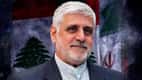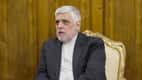







Damascus' Fourth Criminal Court on Monday sentenced Syria's former Grand Mufti Ahmad Badreddin Hassoun to life imprisonment after convicting him of crimes including war crimes and crimes against humanity, bringing his six-hearing trial to a verdict.
The ruling was delivered on Aug. 24 by Judge Fakhr al-Din al-Aryan during the sixth session of proceedings against Hassoun, who served as Syria's highest-ranking Muslim cleric during the rule of former President Bashar al-Assad. Contemporary reports from Damascus also confirmed the life sentence and the court's conviction of Hassoun over acts linked to civil war and sectarian fighting.
According to the judgment, the court also ordered the seizure and confiscation of Hassoun's movable and immovable property for the state treasury.
The court convicted Hassoun of offenses including incitement to violence and justifying killings, as well as conduct and statements that it found contributed to civil war and sectarian conflict in Syria. The judgment also found him culpable for war crimes and crimes against humanity.
The verdict followed weeks of proceedings before the Fourth Criminal Court, which is handling cases within Syria's transitional justice process. The trial began on June 25 and included the presentation of prosecution evidence, witness testimony, defense submissions and Hassoun's final statements.
At the fifth hearing on Aug. 6, prosecutors sought the maximum penalty, the death sentence, after presenting their case against Hassoun. The court then set Aug. 24 for deliberation and judgment.
Hassoun had faced accusations relating to his public statements and activities during the Assad era, including allegations that he used his religious position to incite violence and justify killings. Syrian authorities arrested him in March 2025 under an existing warrant as he attempted to leave the country.
Monday's judgment represents one of the most prominent verdicts yet in Syria's developing transitional justice process targeting alleged abuses committed during the years of conflict under the former government.
The ruling was delivered on Aug. 24 by Judge Fakhr al-Din al-Aryan during the sixth session of proceedings against Hassoun, who served as Syria's highest-ranking Muslim cleric during the rule of former President Bashar al-Assad. Contemporary reports from Damascus also confirmed the life sentence and the court's conviction of Hassoun over acts linked to civil war and sectarian fighting.
According to the judgment, the court also ordered the seizure and confiscation of Hassoun's movable and immovable property for the state treasury.
The court convicted Hassoun of offenses including incitement to violence and justifying killings, as well as conduct and statements that it found contributed to civil war and sectarian conflict in Syria. The judgment also found him culpable for war crimes and crimes against humanity.
The verdict followed weeks of proceedings before the Fourth Criminal Court, which is handling cases within Syria's transitional justice process. The trial began on June 25 and included the presentation of prosecution evidence, witness testimony, defense submissions and Hassoun's final statements.
At the fifth hearing on Aug. 6, prosecutors sought the maximum penalty, the death sentence, after presenting their case against Hassoun. The court then set Aug. 24 for deliberation and judgment.
Hassoun had faced accusations relating to his public statements and activities during the Assad era, including allegations that he used his religious position to incite violence and justify killings. Syrian authorities arrested him in March 2025 under an existing warrant as he attempted to leave the country.
Monday's judgment represents one of the most prominent verdicts yet in Syria's developing transitional justice process targeting alleged abuses committed during the years of conflict under the former government.