WHO: US to participate in meeting on influenza vaccine composition

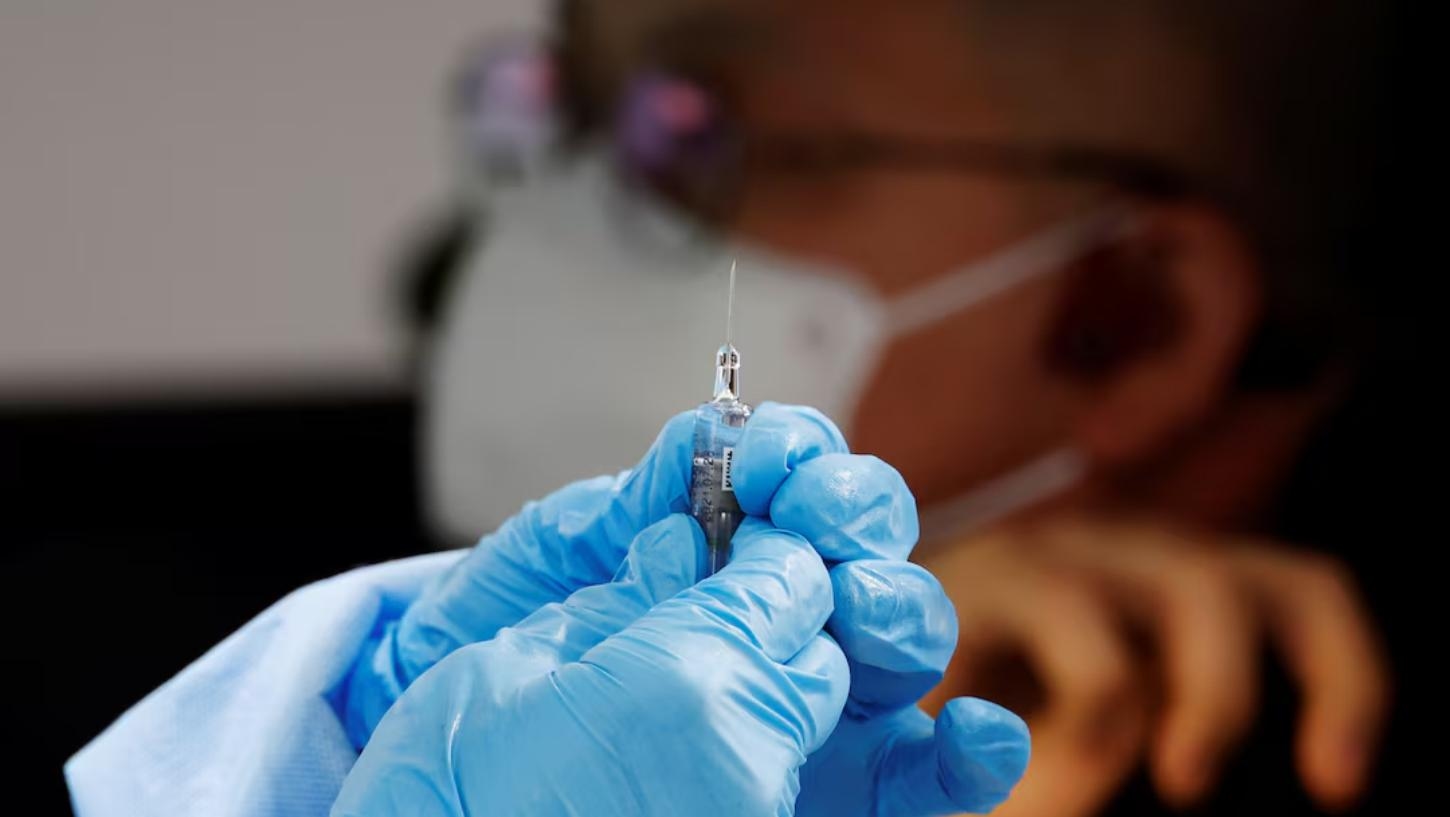
The United States will take part in a World Health Organization meeting at the end of the month to determine the composition of upcoming influenza vaccines, the agency's official said at a press conference on Wednesday.Washington officially left the WHO in January after a year of warnings that doing so would hurt public health in the U.S. and globally, saying its decision reflected failures in the U.N. health agency's management of the COVID-19 pandemic.It has been unclear how much the country would work with the WHO following the departure, and the collaboration on flu vaccines is a sign of an ongoing link.Maria Van Kerkhove, the WHO's director for epidemic and pandemic preparedness, said the global influenza surveillance and response network — a system of more than 150 laboratories across 130 countries — plays a central role in tracking seasonal and zoonotic influenza viruses and updates vaccine recommendations every six months.There are seven collaborating centers, including facilities in the U.S., the UK and Australia.Van Kerkhove said there had also been "a slight dip" in the global circulation of influenza virus samples after funding challenges, but shipments had now resumed.GUINEA-BISSAU VACCINE STUDY 'UNETHICAL' - TEDROSAt the same press conference, WHO Director General Tedros Adhanom Ghebreyesus said a planned U.S.-funded research in Guinea-Bissau to study the effects of hepatitis B vaccines on newborns, which has drawn significant criticism, is unethical."As far as WHO's position is concerned, it's unethical to proceed with this study," Tedros said, but added that it was ultimately a domestic decision.African health officials in January said the study has not been canceled, but will undergo further ethical review.Scientists have opposed the study because some of the newborns involved would not get the vaccine, which is known to be safe and save lives, in a country with high rates of hepatitis B. The disease transmits commonly from mother to child during birth and can cause liver failure and cancer.The study's researchers say the project is ethical because the vaccine is not yet administered at birth in Guinea-Bissau, where the first dose is given at six weeks.The research was due to investigate potential "non-specific effects" of the vaccine, including skin disorders and neuro-developmental disorders, such as autism.

11-02-2026 20:37

Six Minutes of Daily Exercise Can Boost Brain Health and Delay Alzheimer’s

Vishwam Sankaran wrote this article in The Independent:Just six minutes of intense exercise every day can boost the brain’s lifespan and delay the onset of neurological conditions like Alzheimer’s and Parkinson’s diseases, according to a new study.The research, published last week in The Journal of Physiology, found that a short but intense bout of cycling can increase the production of a special brain protein linked to brain formation, learning, and memory.Scientists, including those from the University of Otago in New Zealand, say the special protein named brain-derived neurotrophic factor (BDNF) can protect the brain from age-related cognitive decline.Previous studies have shown that increasing the availability of BDNF in the brain encourages the formation and storage of memories, enhances learning, and also boosts cognitive performance overall.“BDNF has shown great promise in animal models, but pharmaceutical interventions have thus far failed to safely harness the protective power of BDNF in humans,” study lead author Travis Gibbons from the University of Otago said in a statement.“We saw the need to explore non-pharmacological approaches that can preserve the brain’s capacity which humans can use to naturally increase BDNF to help with healthy aging,” Dr Gibbons said.In the new study, researchers analysed the influence of fasting and exercise on BDNF production in 12 physically active participants - six males and six females aged between 18 and 56 years.They assessed the contributing role played on this protein’s production by factors such as fasting for 20 hours, light exercise, a six-minute bout of high-intensity vigorous cycling, and the combined effects of fasting and exercise.Scientists found that brief, but vigorous, exercise was the best way to increase BDNF compared to one day of fasting with or without a lengthy session of light exercise.Researchers say BDNF increased by a factor of four to five times compared to fasting, or prolonged activity.“Six minutes of high-intensity cycling intervals increased every metric of circulating BDNF by 4 to 5 times more than prolonged low-intensity cycling,” researchers wrote in the study.However the cause for these differences remains unknown, they say, adding that more research is needed to understand the biological mechanisms involved.Scientists suspect the brain may be switching its favoured fuel source during exercise for another to ensure the body’s energy demands are met.“We are now studying how fasting for longer durations, for example up to three days, influences BDNF. We are curious whether exercising hard at the start of a fast accelerates the beneficial effects of fasting,” Dr Gibbons said.“Fasting and exercise are rarely studied together. We think fasting and exercise can be used in conjunction to optimize BDNF production in the human brain,” he added.

17-01-2023 09:42

Juice of Beetroot May Increase Muscle Power During Exercise

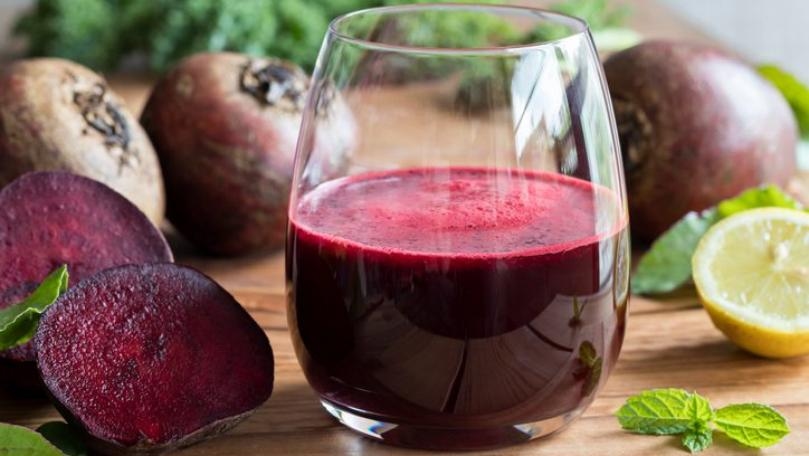
The Independent published this article:Researchers have found that consuming dietary nitrate - the active molecule in beetroot juice - can increase muscle force while exercising, an advance that may lead to better workout supplements.While previous studies have shown that dietary nitrate enhances exercise, it has remained unclear how the body converts this molecule into the chemical nitric oxide to be used by our cells.In the new study, published earlier this month in the journal Acta Physiologica, scientists traced the distribution of ingested nitrate in the saliva, blood, muscle, and urine of ten healthy volunteers who performed leg exercises.Scientists probed where in the body the dietary nitrate molecules were active to understand better the mechanisms in play.During the workout, which included 60 thigh muscle contractions at maximum intensity for over five minutes, researchers found a significant increase in the nitrate levels in the quadriceps muscle.They say the nitrate boost led to an increase in muscle force of about seven per cent, compared to when participants took a placebo.“Our research has already provided a large body of evidence on the performance-enhancing properties of dietary nitrate, commonly found in beetroot juice,” said study co-author Andy Jones from the University of Exeter in the UK.“Excitingly, this latest study provides the best evidence to date on the mechanisms behind why dietary nitrate improves human muscle performance,” Dr Jones added.Earlier studies had discovered an increase of nitrate in tissue and body fluid after ingesting labeled dietary nitrate.But in the new research, scientists could accurately assess where the nitrate is increased and active.They were also able to shed new light on how the nitrate consumed is used up by the body to enhance exercise performance.Citing a limitation of the study, researchers said while dietary nitrate supplementation often occurs in the form of beetroot juice, they say it is unclear how the results might have differed if the beverage had been consumed by the participants.Since the research was conducted in a young male population, scientists say further studies are required to determine how women and older people responded to the supplementation.“This study provides the first direct evidence that muscle nitrate levels are important for exercise performance, presumably by acting as a source of nitric oxide,” Barbora Piknova, another author of the study from the National Institutes of Health in the US, said.“These results have significant implications not only for the exercise field, but possibly for other medical areas such as those targeting neuromuscular and metabolic diseases related to nitric oxide deficiency,” Dr Piknova added.

24-01-2023 10:43

Successful Surgery to Separate Conjoined Twins Performed, the First of Its Kind in Lebanon

L'Orient Today published this article:Caretaker Health Minister Firass Abiad has presented the details of a successful surgery performed to separate conjoined twins at the American University of Beirut Medical Center in the “first surgical operation of its kind” to be conducted in Lebanon, the state-run National News Agency reported on Tuesday.Abiad explained that the twins' parents contacted him six months ago to ask for help after an X-ray that then-expectant mother underwent showed the twins were conjoined.In Lebanon, in light of the economic crisis, hospitals and medical institutions are suffering from shortages of supplies and medicines, as well as medical and nursing staff.Abiad explained that he contacted AUBMC, which agreed to perform the separation operation despite the current crisis, and “succeeded in proving the ability of the American University and the medical system in Lebanon to carry out the operation.”"In fact, our hospital institutions are still able to be in the first line in providing advanced health care to citizens and residents in Lebanon and to preserve what they provided before the crisis. With the improvement of conditions, these institutions will be able to provide more," Abiad said.He added that "the health system in Lebanon, even if it faces great difficulties, is a flexible system and has the ability to present achievements.”The preparation for the surgical operation took four months, as a team of doctors and nurses prepared to accompany the twin girls, Riham and Reem, until they were discharged from the hospital.“The full coordination between the team members and planning for all the details played a key role in the success of the operation, which required 10 hours and was characterized by great accuracy and extreme sensitivity, in order not to have any negative complications on the separated organ,” the NNA reported.

25-01-2023 16:05

India Launches Its First Nasal Covid Vaccine

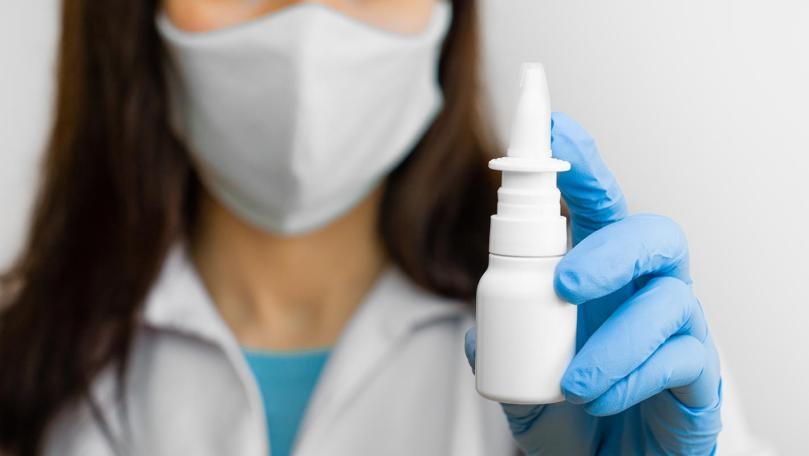
BBC published this article:Made by Bharat Biotech, iNCOVACC is administered in the form of drops and stimulates an immune response in the tissues that line the nasal cavity.In September 2022, China had approved an inhaled Covid vaccine, administered in the form or a spray.Scientists say that nasal vaccines may offer added immunity in the lining of the nose and upper airways, where Covid typically enters the body.Research teams in the UK and the US have also been investigating nasal spray vaccines.In November, India's drug regulator approved the use of iNCOVACC as a heterologous booster dose - a booster for people who had previously received two doses of Covishied or Covaxin, the two main Indian vaccines - in emergency situations among adults.In December, it was approved by the drug regulator as a primary vaccine and as a subsequent booster shot in adults.The vaccine will cost 800 rupees ($10; £8) per dose in private hospitals and 325 rupees per dose in government hospitals and can be booked on the government's online platform. Two doses are to be taken 28 days apart.iNCOVACC uses a adenovirus as a carrier for the genetic code that teaches the body how to fight the infection. Adenoviruses used in the vaccines are harmless transporters which have been modified so they cannot replicate or cause infection.Dr Krishna Ella, chairman of Bharat Biotech, told ANI news agency that the vaccine was "easy to deliver" as it didn't need a syringe or needle, and that it produced a broader immune response as compared to injectable Covid vaccines.India has administered over two billion Covid jabs so far. More than 70% of the Indian population has taken at least two doses, according to the federal health ministry.In January 2022, India began giving boosters to healthcare and frontline workers, and those above 60 years with comorbidities. It was later expanded to all adults. However, the pace of booster doses administrated has been slow.

27-01-2023 15:14

{{ article.title }}

{{safeHTML(article.Text)}}

{{article.publishDate}}

Article Image

More

WHO: US to participate in meeting on influenza vaccine composition

The United States will take part in a World Health Organization meeting at the end of the month to determine the composition of upcoming influenza vaccines, the agency's official said at a press conference on Wednesday.Washington officially left the WHO in January after a year of warnings that doing so would hurt public health in the U.S. and globally, saying its decision reflected failures in the U.N. health agency's management of the COVID-19 pandemic.It has been unclear how much the country would work with the WHO following the departure, and the collaboration on flu vaccines is a sign of an ongoing link.Maria Van Kerkhove, the WHO's director for epidemic and pandemic preparedness, said the global influenza surveillance and response network — a system of more than 150 laboratories across 130 countries — plays a central role in tracking seasonal and zoonotic influenza viruses and updates vaccine recommendations every six months.There are seven collaborating centers, including facilities in the U.S., the UK and Australia.Van Kerkhove said there had also been "a slight dip" in the global circulation of influenza virus samples after funding challenges, but shipments had now resumed.GUINEA-BISSAU VACCINE STUDY 'UNETHICAL' - TEDROSAt the same press conference, WHO Director General Tedros Adhanom Ghebreyesus said a planned U.S.-funded research in Guinea-Bissau to study the effects of hepatitis B vaccines on newborns, which has drawn significant criticism, is unethical."As far as WHO's position is concerned, it's unethical to proceed with this study," Tedros said, but added that it was ultimately a domestic decision.African health officials in January said the study has not been canceled, but will undergo further ethical review.Scientists have opposed the study because some of the newborns involved would not get the vaccine, which is known to be safe and save lives, in a country with high rates of hepatitis B. The disease transmits commonly from mother to child during birth and can cause liver failure and cancer.The study's researchers say the project is ethical because the vaccine is not yet administered at birth in Guinea-Bissau, where the first dose is given at six weeks.The research was due to investigate potential "non-specific effects" of the vaccine, including skin disorders and neuro-developmental disorders, such as autism.

11-02-2026 20:37

To Hug or Not to Hug? Can Comfort Be Measured in Seconds?

On National Hugging Day, hugs are everywhere. They appear in captions, campaigns, and cheerful reminders to squeeze a little longer, as if comfort could be measured in seconds. The hug is often presented as a universal language, simple and harmless, an emotional shortcut we all supposedly understand the same way.Psychology, however, tells a more nuanced story.For clinical psychologist Tatiana Maalouf, hugging is neither a trend nor a sentimental extra. Speaking to MTV’s English website, she explains that hugs can be a powerful biological and emotional resource, but only for some people, and only in certain contexts.From the moment we are born, regulation does not begin within us but between us, Maalouf explains. Long before language, the nervous system learns safety through proximity, rhythm, and presence. For many, physical touch, including hugging, becomes one of the earliest ways the body recognizes safety. When a hug is wanted and experienced as secure, it bypasses language and speaks directly to the nervous system.Neurobiologically, hugging can trigger the release of oxytocin, the hormone linked to bonding and emotional regulation, while reducing cortisol, the body’s main stress hormone, according to Maalouf. This shift allows the body to step out of survival mode. Breathing slows, muscles relax, and the nervous system receives a quiet reassurance that it is not alone. “Hugs don’t fix the problem,” she notes, “but they can help the body feel safe enough to cope with it.”But this experience is not universal.Not all nervous systems experience touch as calming. For some people, Maalouf explains, because of trauma, personal history, sensory sensitivity, cultural norms, or neurodivergence, physical contact can feel intrusive or even threatening. In those cases, a hug does not regulate the body. It activates it. What is intended as comfort may instead trigger distress.This is why consent and emotional attunement are essential. A helpful hug, Maalouf says, is mutual, responsive, and respectful of boundaries. Without that, touch loses its regulating power.Emotionally, hugs work through co regulation, but co regulation is not limited to physical contact. Safety can also be created through eye contact, tone of voice, shared silence, or simply being emotionally present. The key ingredient, she stresses, is not the hug itself, but the felt sense of being with someone.In today’s fast paced and highly digital world, physical affection has decreased for many, while emotional overload has increased. Screens allow connection, but they cannot replace embodied presence. At the same time, Maalouf cautions against pushing physical closeness in the name of connection. True closeness respects differences in how people experience comfort and safety.Hugs can be especially meaningful during periods of grief, stress, or uncertainty, but only for those who experience touch as safe, she says. For others, support may take quieter forms such as sitting nearby, holding space, or listening without trying to fix.As for how long a hug should last or how often people should hug, the answer lies not in numbers. Research suggests longer hugs may enhance oxytocin release, but no duration makes an unwanted hug beneficial. Regulation comes from choice, not exposure.From a mental health perspective, National Hugging Day is not about hugging more. It is an invitation to reflect on how we seek comfort, how we respect boundaries, and how we offer care in ways that truly feel safe.Hugs do not heal everyone.But being seen, respected, and emotionally held, in whatever form that takes, remains essential for all of us.

21-01-2026 14:23

Glow Up: A Fruit That Naturally Boosts Collagen!

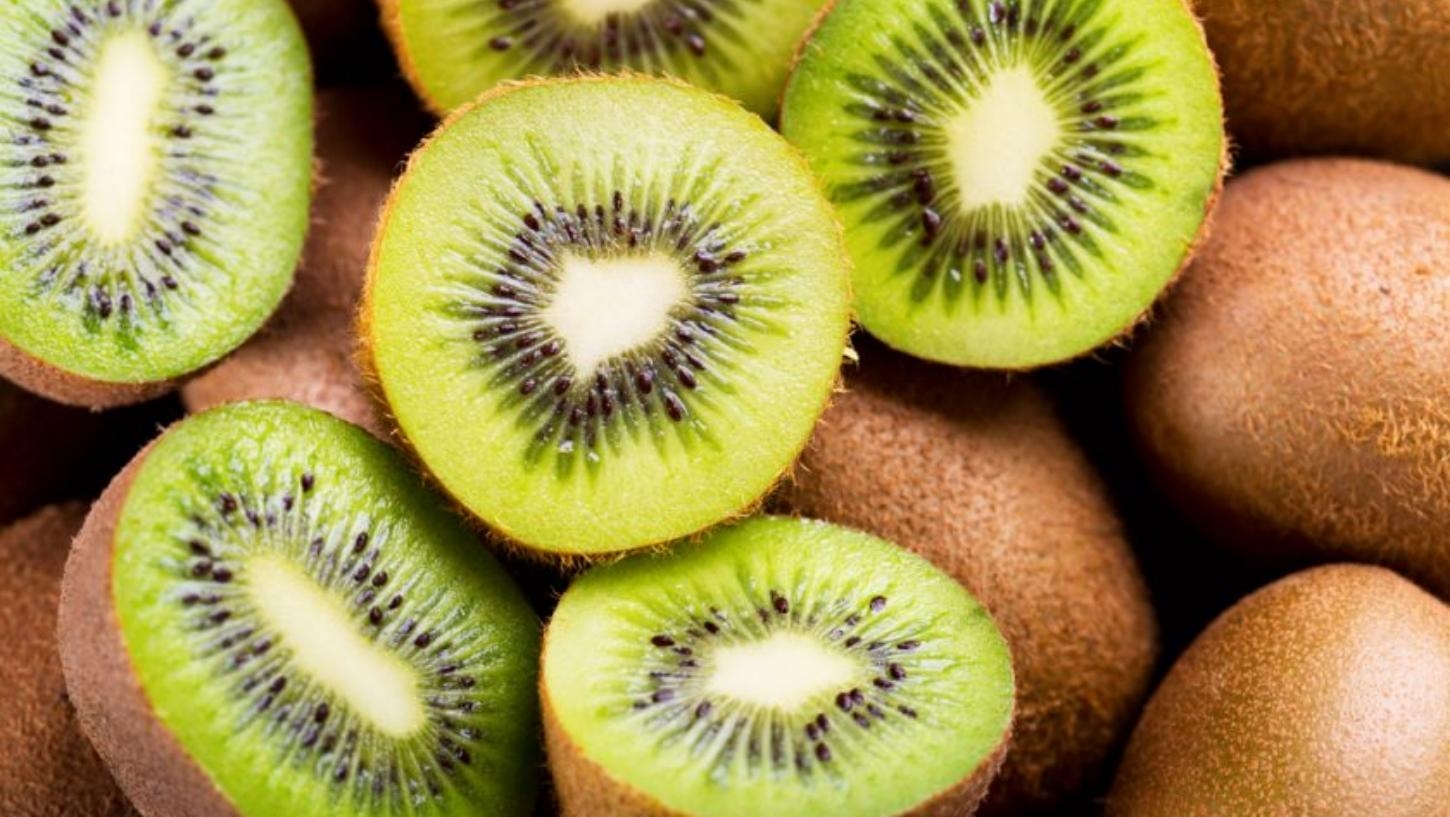
A breakthrough study from researchers at the University of Otago, Faculty of Medicine – Christchurch Ōtautahi, has found that collagen production and skin renewal directly respond to the amount of vitamin C we eat.The study, published in the international Journal of Investigative Dermatology, shows that skin vitamin C levels are closely tied to levels of the vitamin in the blood (plasma) and can be boosted by increasing fruit intake.Carried out on two dozen healthy adults in both Aotearoa New Zealand and Germany, the study shows that boosting plasma levels by consuming two vitamin C-rich SunGold™ kiwifruit per day increases the amount of the vitamin in the skin, improving skin thickness (collagen production) and stimulating renewal and regeneration of the outer skin layer.Lead author, Professor Margreet Vissers from Mātai Hāora – Centre for Redox Biology and Medicine, within the Department of Pathology and Molecular Medicine, says the strength of the association between skin thickness and vitamin C intake is “compelling”.“We were surprised by the tight correlation between plasma vitamin C levels and those in the skin – this was much more marked than in any other organ we have investigated,” Professor Vissers says.“We are the first to demonstrate that vitamin C in the blood circulation penetrates all layers of the skin and is associated with improved skin function. I am very proud of my team and excited about what the data is telling us.”Professor Vissers says the study results suggest that beauty really does come from within, supporting your skin function from the inside-out by delivering vitamin C to the skin the way nature designed it – via the bloodstream.“We know that vitamin C is required for collagen production. This fact has inspired the addition of vitamin C to many skin cream formulations. However, vitamin C is highly water soluble and poorly absorbed through the outer skin barrier. Our study shows that the skin is extremely good at absorbing vitamin C from the blood circulation. Uptake into the outer epidermal skin layer also seems to be prioritised,” she says.Funded by New Zealand company Zespri International along with a University of Otago Research Grant, the study comprised two stages. The first stage established the association between plasma and skin vitamin C levels, using healthy skin tissue from patients undergoing elective surgical procedures at Te Whatu Ora Canterbury (with support from the Otago campus’s He Taonga Tapu - Canterbury Cancer Society Tissue Bank).The second stage involved a before-and-after, dietary vitamin C intervention study at two sites (in Christchurch and Germany), each with 12 healthy participants.“All were instructed to consume two Kiwi Gold kiwifruit daily - the equivalent of 250 micrograms of vitamin C - for eight weeks. We then collected skin samples before and after the intervention, with separate analyses allowing us to look at the skin basal layers in Christchurch and the outer dermal skin layer and skin function tests in Germany,” Professor Vissers explains.The German participants were recruited and tested by the SGS Institute Fresenius in Hamburg – their lab having the technical ability to collect the outer dermal skin layer (the blister “roof”). The Institute measured skin sample regeneration - including ultrasound tested measures of skin thickness, elasticity UV protection and renewal of epidermal cells - giving a complete picture of skin function.“The other really substantial finding showed a significant increase in the participants’ skin thickness levels, reflecting collagen production and an upsurge in the regeneration of their epidermal cells, in other words skin renewal,” Professor Vissers says.She says SunGold™ kiwifruit was chosen for the trial due to its proven high vitamin C levels, but it’s anticipated that other foods rich in vitamin C, particularly fresh fruit and vegetables such as citrus, berry fruit, capsicums and broccoli, would have similar beneficial effects.“We suggest that increasing your dietary vitamin C intake will result in effective vitamin C uptake into all compartments of the skin,” Professor Vissers says.“The important thing is to keep your plasma levels optimal, which we know can be easily achieved in a healthy person with a vitamin C intake of around 250mg per day. The body however does not store the vitamin, so we recommend 5+ a day, every day, with one of those five being a high vitamin C food, as a good habit to cultivate.”

10-12-2025 09:55

Scientists Investigate Link Between Amazon Gold Mining and Birth Defects

Deep in the Amazon, Indigenous women say they fear getting pregnant.Rivers that have been the lifeblood of their people now carry mercury from illegal gold mining, threatening the health of their unborn children."Breast milk is no longer reliable," said Alessandra Korap, a leader of the Munduruku people.At Sai Cinza, a Munduruku community surrounded by illegal mines, the family of three-year-old Rany Ketlen struggles to understand why she has never been able to raise her head and suffers from muscle spasms.Scientists may soon have an answer. Rany is one of at least 36 people in the area, mostly children, with neurological disorders not explained by genetic tests, according to preliminary data from a groundbreaking study into the impacts of mercury contamination.While scientists have warned of the risks that mercury could pose to Indigenous children in the Amazon, none have established a causal link to disabilities in their communities, as this study may soon do.Rany’s father, Rosielton Saw, has worked as a miner near their village for years, following in the footsteps of his father, Rosenildo.Sitting at the family's one-bedroom wooden home, the older man said he knew the mercury they used was dangerous.But mining about 30 grams of gold per week provides just "enough to support ourselves," Rosenildo Saw said.The family regularly eats surubim, a carnivorous fish that accumulates mercury in the river biome. Rany Ketlen, who has severe swallowing problems, drinks the fish broth.In recent years, government health officials have reported dozens of other patients in the wider region suffering from similar disorders. But a lack of testing and access to medical care has made it difficult to compile a full picture of the problem or establish the exact causes.Now researchers are collecting data on neurological problems known to be associated with mercury poisoning, ranging from acute brain malformation to memory issues, in a multi-year study concluding by the end of 2026.The scientists involved in the latest unpublished research, backed by Brazil's leading public health institute, said a top suspect is the mercury seeping into waterways after miners use it to bind tiny specks of gold extracted from riverbanks – a largely lawless trade spurred on by record-high prices for the precious metal.The mercury has contaminated river fish that are a staple for Indigenous communities and accumulated in women's placentas, breast milk and offspring at alarmingly high levels, often two or three times the hazardous threshold for pregnant mothers.Chief Zildomar Munduruku, who is also a nurse, said he cannot tell his people to stop eating fish, despite guidance from health officials.“If we obey their rules, we will go hungry,” he said.Far downstream from Sai Cinza, diplomats and world leaders gather next month in the Amazon for the United Nations climate summit, known as COP30. Brazilian organizers have called it the "Forest COP," focusing global attention on threats to tropical rainforests and their inhabitants, such as illegal mining across the region.Brazilian President Luiz Inacio Lula da Silva has driven thousands of miners out of Indigenous lands since he returned to office in 2023. But the mercury left behind cannot be broken down as it cycles through air, water, and soil, fueling a lasting health crisis.Brazil's government has stepped up monitoring of mercury levels in the Munduruku Indigenous Territory, trained public health officials to identify early signs of mercury poisoning and invested in clean water sources for remote communities, the Health Ministry said in a statement.Even if "gold mining in the Amazon came to a complete stop, the mercury that was deposited ... would remain for many more decades," said Paulo Basta, a researcher at public health institute Fiocruz, who has studied mercury contamination of Indigenous people for more than three decades.Papers, interviews and fresh data reviewed by Reuters suggest the humanitarian crisis unleashed by illegal mining will have permanent consequences for current and future generations of Indigenous communities in the Amazon.A 2021 study, opens new tab by Basta and his colleagues found 10 of 15 mothers tested in three Munduruku villages had elevated mercury levels. An earlier study, opens new tab found 12 of 13 people in a Yanomami village where mining was rampant had dangerous mercury levels in their bloodstream. Nearly all the 546 registered cases that were in the government's databases by March 2025 were collected by Basta and his team."That's just the tip of the iceberg," Basta said. The Munduruku, Yanomami, and Kayapó territories have populations of tens of thousands of people who could potentially be contaminated by mercury.In the study now underway, Basta's team aims to provide a crucial missing link in the puzzle: proof that mercury is causing disabilities. For that, they are following 176 pregnant women to test babies during their first years of life.At Sai Cinza, where Rany Ketlen and her family live, the researchers’ preliminary data showed that, on average, mothers in the study had mercury levels five times higher than the Brazilian Health Ministry considers safe and their babies had three times that level. Rany Ketlen's sister, one-year-old Raylene, is one of them, though she has not yet shown any symptoms."This mercury disease, if you don't look for it, you won't find it," said Cleidiane Carvalho, a nurse who set out years ago to connect researchers with the sick Indigenous children she came across. Without their studies, she worried, the crisis "will be silenced, neglected forever."But proving a causal link to mercury contamination has been a challenge.Fiocruz researchers found that Indigenous communities often lack basic health services and are vulnerable to various infectious diseases, all potential causes of neurological problems. Marriage among close cousins, which can cause genetic disorders, is also more common in small Indigenous communities.It is likely that mercury is among the causes of the conditions of the 36 patients who did not have an inherited genetic disorder, but that does not rule out other factors, said Fernando Kok, a geneticist at the University of Sao Paulo who is working on the Fiocruz study.Exams that find mercury in people's bodies are like snapshots of a patient's recent diet, so they alone cannot prove a prior contamination as a cause of neurological problems."It's a perfect crime, because it leaves no signature," Kok said.

01-11-2025 13:35

{{ article.title }}

{{safeHTML(article.Text)}}

{{ article.publishDate }}

Article Image

More