Scientists Investigate Link Between Amazon Gold Mining and Birth Defects

Deep in the Amazon, Indigenous women say they fear getting pregnant.Rivers that have been the lifeblood of their people now carry mercury from illegal gold mining, threatening the health of their unborn children."Breast milk is no longer reliable," said Alessandra Korap, a leader of the Munduruku people.At Sai Cinza, a Munduruku community surrounded by illegal mines, the family of three-year-old Rany Ketlen struggles to understand why she has never been able to raise her head and suffers from muscle spasms.Scientists may soon have an answer. Rany is one of at least 36 people in the area, mostly children, with neurological disorders not explained by genetic tests, according to preliminary data from a groundbreaking study into the impacts of mercury contamination.While scientists have warned of the risks that mercury could pose to Indigenous children in the Amazon, none have established a causal link to disabilities in their communities, as this study may soon do.Rany’s father, Rosielton Saw, has worked as a miner near their village for years, following in the footsteps of his father, Rosenildo.Sitting at the family's one-bedroom wooden home, the older man said he knew the mercury they used was dangerous.But mining about 30 grams of gold per week provides just "enough to support ourselves," Rosenildo Saw said.The family regularly eats surubim, a carnivorous fish that accumulates mercury in the river biome. Rany Ketlen, who has severe swallowing problems, drinks the fish broth.In recent years, government health officials have reported dozens of other patients in the wider region suffering from similar disorders. But a lack of testing and access to medical care has made it difficult to compile a full picture of the problem or establish the exact causes.Now researchers are collecting data on neurological problems known to be associated with mercury poisoning, ranging from acute brain malformation to memory issues, in a multi-year study concluding by the end of 2026.The scientists involved in the latest unpublished research, backed by Brazil's leading public health institute, said a top suspect is the mercury seeping into waterways after miners use it to bind tiny specks of gold extracted from riverbanks - a largely lawless trade spurred on by record-high prices for the precious metal.The mercury has contaminated river fish that are a staple for Indigenous communities and accumulated in women's placentas, breast milk and offspring at alarmingly high levels, often two or three times the hazardous threshold for pregnant mothers.Chief Zildomar Munduruku, who is also a nurse, said he cannot tell his people to stop eating fish, despite guidance from health officials.“If we obey their rules, we will go hungry,” he said.Far downstream from Sai Cinza, diplomats and world leaders gather next month in the Amazon for the United Nations climate summit, known as COP30. Brazilian organizers have called it the "Forest COP," focusing global attention on threats to tropical rainforests and their inhabitants, such as illegal mining across the region.Brazilian President Luiz Inacio Lula da Silva has driven thousands of miners out of Indigenous lands since he returned to office in 2023. But the mercury left behind cannot be broken down as it cycles through air, water, and soil, fueling a lasting health crisis.Brazil's government has stepped up monitoring of mercury levels in the Munduruku Indigenous Territory, trained public health officials to identify early signs of mercury poisoning and invested in clean water sources for remote communities, the Health Ministry said in a statement.Even if "gold mining in the Amazon came to a complete stop, the mercury that was deposited ... would remain for many more decades," said Paulo Basta, a researcher at public health institute Fiocruz, who has studied mercury contamination of Indigenous people for more than three decades.Papers, interviews and fresh data reviewed by Reuters suggest the humanitarian crisis unleashed by illegal mining will have permanent consequences for current and future generations of Indigenous communities in the Amazon.A 2021 study, opens new tab by Basta and his colleagues found 10 of 15 mothers tested in three Munduruku villages had elevated mercury levels. An earlier study, opens new tab found 12 of 13 people in a Yanomami village where mining was rampant had dangerous mercury levels in their bloodstream. Nearly all the 546 registered cases that were in the government's databases by March 2025 were collected by Basta and his team."That's just the tip of the iceberg," Basta said. The Munduruku, Yanomami, and Kayapó territories have populations of tens of thousands of people who could potentially be contaminated by mercury.In the study now underway, Basta's team aims to provide a crucial missing link in the puzzle: proof that mercury is causing disabilities. For that, they are following 176 pregnant women to test babies during their first years of life.At Sai Cinza, where Rany Ketlen and her family live, the researchers’ preliminary data showed that, on average, mothers in the study had mercury levels five times higher than the Brazilian Health Ministry considers safe and their babies had three times that level. Rany Ketlen's sister, one-year-old Raylene, is one of them, though she has not yet shown any symptoms."This mercury disease, if you don't look for it, you won't find it," said Cleidiane Carvalho, a nurse who set out years ago to connect researchers with the sick Indigenous children she came across. Without their studies, she worried, the crisis "will be silenced, neglected forever."But proving a causal link to mercury contamination has been a challenge.Fiocruz researchers found that Indigenous communities often lack basic health services and are vulnerable to various infectious diseases, all potential causes of neurological problems. Marriage among close cousins, which can cause genetic disorders, is also more common in small Indigenous communities.It is likely that mercury is among the causes of the conditions of the 36 patients who did not have an inherited genetic disorder, but that does not rule out other factors, said Fernando Kok, a geneticist at the University of Sao Paulo who is working on the Fiocruz study.Exams that find mercury in people's bodies are like snapshots of a patient's recent diet, so they alone cannot prove a prior contamination as a cause of neurological problems."It's a perfect crime, because it leaves no signature," Kok said.

11/1/2025 1:35:00 PM

Breast Cancer Doesn’t Wait, and You Shouldn’t Either

Postponing is one of the many vices of the human race. We put off everything, from confrontations to health checkups. Breast cancer is becoming an increasingly urgent issue. By 2050, an estimated 3.2 million new cases are expected worldwide, and 1.1 million women may die from the disease each year. Let’s stop running and start acting, shall we?Recognizing Early SignsIn an exclusive interview with MTV’s website, Dr. Ghassan Atallah explains that the most common early signs of breast cancer are painless lumps or areas of thickening in the breast that feel different from the surrounding tissue.“Women should perform a breast self-exam once a month, a few days after their periods. Postmenopausal women should choose the same day each month to check themselves,” he says.Dr. Atallah adds that women at average risk should start getting yearly mammograms at age 40. Women at higher risk, such as those with a strong family history of breast cancer, should begin yearly mammograms between the ages of 30 and 35, alternating with MRI scans every six months.“Young women should look out for new lumps or thickening that are usually painless, firm, and different from surrounding tissue. Changes in the size or shape of the breasts or nipples, and unusual nipple discharge, especially if bloody, should not be ignored,” he advises. “Swelling in the armpit or around the collarbone could indicate enlarged lymph nodes related to breast cancer.”Screening Recommendations and Effectiveness “Family history and genetics play a major role in breast cancer. Five to ten percent of cases are caused by inherited gene mutations, which in some cases can double or even multiply a woman’s lifetime risk,” he explains.“Current screening methods are reliable. Mammograms detect 85 to 90 percent of cases in older women and 75 to 85 percent overall, offering routine screening with a proven mortality benefit. Ultrasounds detect 70 to 85 percent of cases and are useful for women with dense breasts. MRIs are the most sensitive, detecting 90 to 95 percent of cases, especially in high-risk women,” he explains.Dr. Atallah urges anyone experiencing these symptoms to schedule a doctor’s visit promptly. “Men can also get breast cancer, although it is rare. It accounts for about one percent of all cases and usually occurs between the ages of 60 and 70,” he adds.He emphasizes that certain lifestyle changes can help reduce the risk of breast cancer: “Keeping a healthy weight, staying physically active, eating a balanced and nutritious diet, limiting red and processed meats and sugary or refined foods, and cutting back on alcohol and avoiding smoking can all lower your risk,” he says.Health issues sneak up when you least expect them to. They don’t wait for you, and neither should you. Your health is priceless. Pay attention, take action, and make yourself a priority.

10/29/2025 11:45:00 AM

Climate Change and Population Growth Threaten Malaria Fight as Progress Stalls

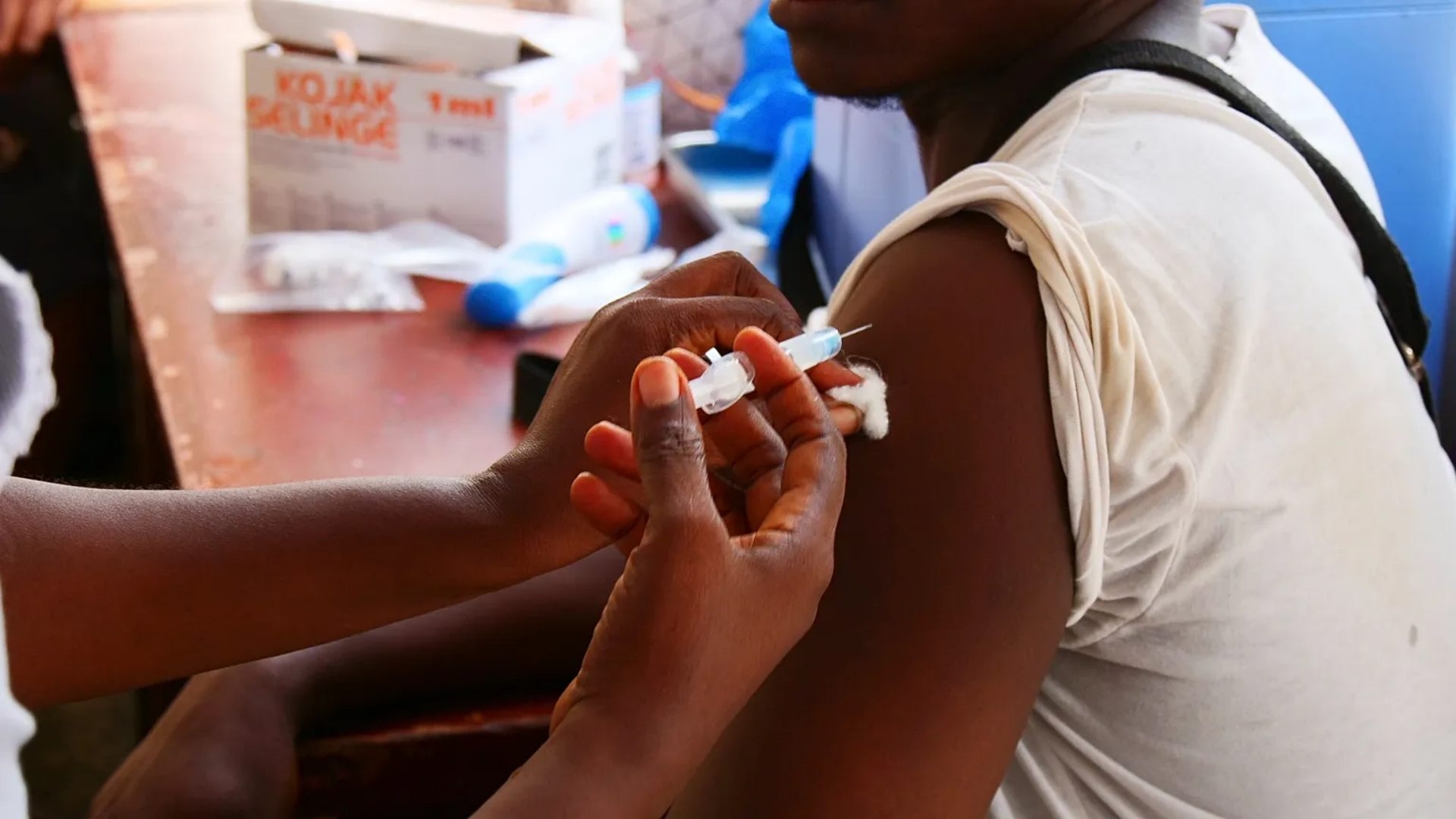
The fight against malaria has stalled after two decades of progress, with climate change and population growth among factors threatening a resurgence of the potentially fatal disease, campaigners said Tuesday.Insufficient funding for increasingly costly prevention programmes risked efforts against the mosquito-borne illness at a cost of hundreds of thousands of lives and billions of dollars, they said.The impact would be most keenly felt in Africa which accounts for 95 percent of cases of the disease that claimed 590,000 deaths worldwide in 2023, the African Leaders Malaria Alliance (ALMA) and Malaria No More UK said in a new report.Several African countries had reported upsurges in cases between January and June 2025 after heavy rainfalls, they said. Malaria mortality has halved over the past two decades, said the report released ahead of a November 21 meeting in South Africa to secure contributions to the Global Fund to Fight AIDS, TB and Malaria, which covers 59 percent of malaria spending."Insufficient funding, however, has caused malaria progress to stall," it said. "A perfect storm of climate change, rising drug and insecticide resistance, trade disruptions, and global insecurity further undermine the efficacy of malaria interventions."There were around 263 million cases of malaria globally in 2023, an increase of 11 million cases from the previous year, according to the UN's World Malaria Report 2024."Increases in temperature and flooding due to climate change have increased the number of mosquito breeding sites," ALMA executive secretary Joy Phumaphi told AFP.In Rwanda, for example, these sites now existed at higher altitudes than previously, she said in an interview.The malaria-carrying Anopheles stephensi mosquito from Asia has meanwhile spread into Africa while insecticide resistance has increased, she said. New-generation prevention methods, such as dual-insecticide mosquito nets and the use of drones to disperse chemicals that kill mosquito larva, were effective but also more costly, she said.At the same time, Africa's population had almost doubled in the past 30 years. "It's more expensive, but we also have to cover a bigger population than before," Phumaphi said. Malaria -- most prevalent in Nigeria -- is a leading cause of worker and student absenteeism, and also causes learning and cognitive disruption in children.Besides saving lives, ridding countries of the disease would have "massive" returns on economies, including by boosting productivity and tourism, Phumaphi said.Malaria "leads to huge amounts of out-of-pocket payments for households and is a major cause of poverty," she said. "Once this market is protected, their purchasing power is enormous."An anti-malaria vaccine in use in 23 African countries was around 40 percent effective and had to be accompanied by other prevention measures. But a new vaccine undergoing human trials was hoped to show 80 percent efficacy, she said.Funding modelling showed that a halt in all prevention interventions could cost Africa $83 billion in lost GDP by 2030, alongside 525 million additional cases and 990,000 more deaths on top of the already high annual toll, the report said.

10/21/2025 11:15:00 AM

WHO Warns of Surging Levels of Antibiotic Resistance

One in six laboratory-confirmed bacterial infections are resistant to antibiotic treatments, the World Health Organization said on Monday, calling for the medicines to be used more responsibly.Resistance to antibiotics rose in around 40% of samples monitored, the U.N. health agency said in a report based on data from more than 100 countries between 2016-2023.“Antimicrobial resistance is outpacing advances in modern medicine, threatening the health of families worldwide,” WHO Director-General Tedros Adhanom Ghebreyesus said in a statement accompanying the report. "We must use antibiotics responsibly, and make sure everyone has access to the right medicines, quality-assured diagnostics, and vaccines."Globally, resistance to antibiotics directly accounts for more than 1 million deaths annually. While genetic changes in pathogens are part of a natural process, human activity such as the misuse and overuse of antibiotics to control infections in humans, animals and plants is accelerating that process.The highest levels of antibiotic resistance are in parts of South Asia and the Middle East where about one in three reported infections are resistant, according to the WHO.In Africa, resistance to the first-choice treatment for some types of bacteria found in bloodstream infections which can cause sepsis, organ failure and death, now exceed 70%, it said.

10/13/2025 1:45:00 PM

This is how air pollution reaches the heart and brain

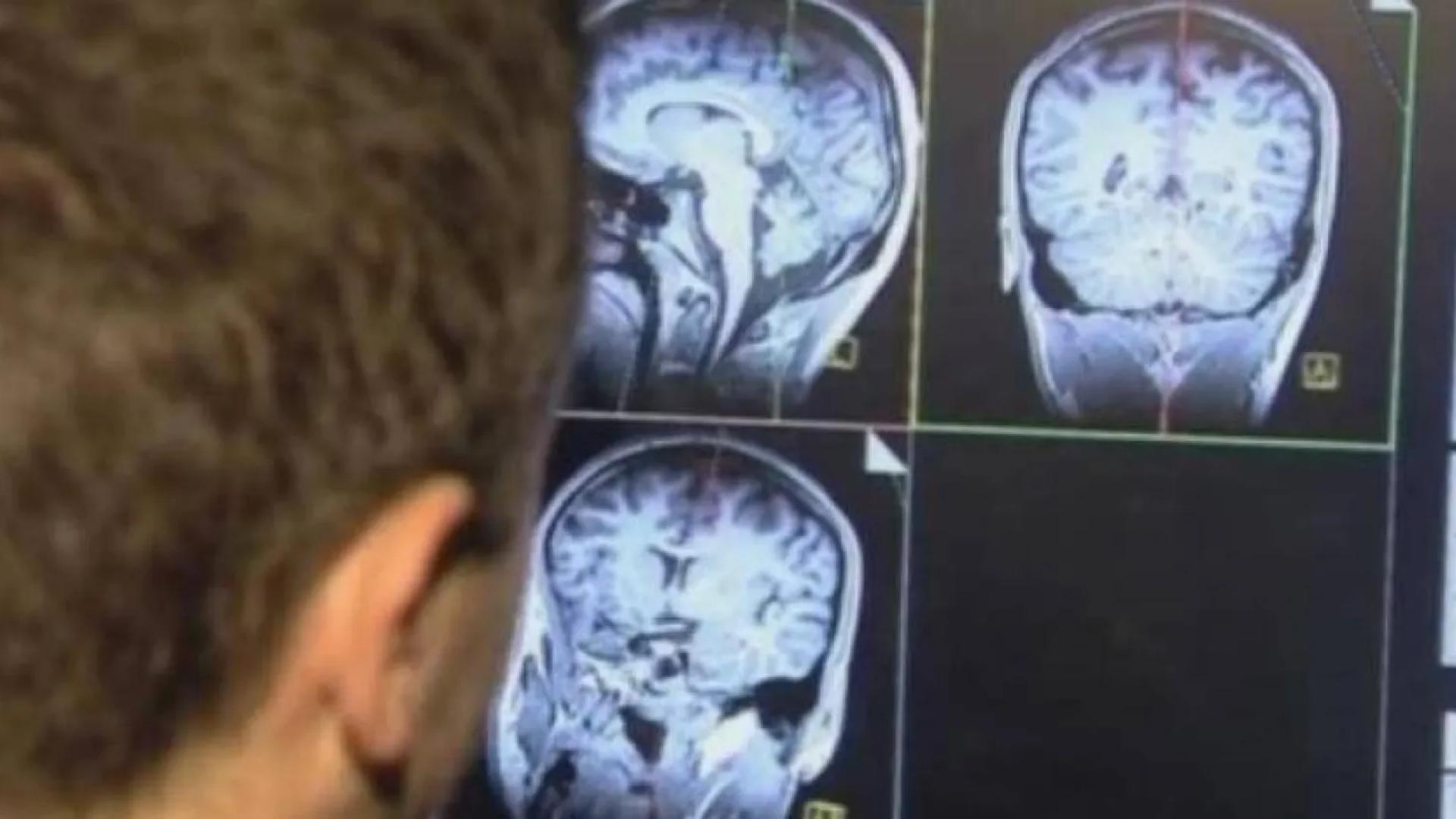
For the first time, researchers have observed direct evidence that fine air pollution particles can attach to red blood cells and travel through the bloodstream to various organs in the body.A new study conducted by Queen Mary University in London revealed a dangerous way that air pollution infiltrates the human body. Twelve volunteers participated in a controlled experiment, moving between a closed office environment and a busy street in central London while equipped with precise pollution-monitoring devices.The results showed that PM2.5 levels near busy roads were five times higher than indoors. Even more concerning, laboratory tests of blood samples revealed a significant increase in polluted particles attached to red blood cells, in some cases tripling.When eight of the volunteers repeated the experiment wearing FFP2 masks, no increase in particle attachment to blood was recorded, confirming the effectiveness of masks in protecting against the most dangerous air pollutants.The research team also identified the chemical composition of these particles, finding metals such as iron and copper from vehicle exhaust and silver and molybdenum from brake and tire friction.Professor Jonathan Greg warned that these particles “hitch a ride” on red blood cells, allowing them to reach any organ in the body, which may explain their direct link to heart and brain diseases. Professor Annie Johansen emphasized the need to tighten regulations to reduce pollution and recommended mask use, especially for those most at risk of health problems.These findings provide a new warning about the dangers of air pollution and reveal how its effects can reach inside our bodies in previously unknown ways.

10/4/2025 10:14:00 AM

{{ article.title }}

{{safeHTML(article.Text)}}

{{article.publishDate}}

Article Image

More

Scientists Investigate Link Between Amazon Gold Mining and Birth Defects

Deep in the Amazon, Indigenous women say they fear getting pregnant.Rivers that have been the lifeblood of their people now carry mercury from illegal gold mining, threatening the health of their unborn children."Breast milk is no longer reliable," said Alessandra Korap, a leader of the Munduruku people.At Sai Cinza, a Munduruku community surrounded by illegal mines, the family of three-year-old Rany Ketlen struggles to understand why she has never been able to raise her head and suffers from muscle spasms.Scientists may soon have an answer. Rany is one of at least 36 people in the area, mostly children, with neurological disorders not explained by genetic tests, according to preliminary data from a groundbreaking study into the impacts of mercury contamination.While scientists have warned of the risks that mercury could pose to Indigenous children in the Amazon, none have established a causal link to disabilities in their communities, as this study may soon do.Rany’s father, Rosielton Saw, has worked as a miner near their village for years, following in the footsteps of his father, Rosenildo.Sitting at the family's one-bedroom wooden home, the older man said he knew the mercury they used was dangerous.But mining about 30 grams of gold per week provides just "enough to support ourselves," Rosenildo Saw said.The family regularly eats surubim, a carnivorous fish that accumulates mercury in the river biome. Rany Ketlen, who has severe swallowing problems, drinks the fish broth.In recent years, government health officials have reported dozens of other patients in the wider region suffering from similar disorders. But a lack of testing and access to medical care has made it difficult to compile a full picture of the problem or establish the exact causes.Now researchers are collecting data on neurological problems known to be associated with mercury poisoning, ranging from acute brain malformation to memory issues, in a multi-year study concluding by the end of 2026.The scientists involved in the latest unpublished research, backed by Brazil's leading public health institute, said a top suspect is the mercury seeping into waterways after miners use it to bind tiny specks of gold extracted from riverbanks - a largely lawless trade spurred on by record-high prices for the precious metal.The mercury has contaminated river fish that are a staple for Indigenous communities and accumulated in women's placentas, breast milk and offspring at alarmingly high levels, often two or three times the hazardous threshold for pregnant mothers.Chief Zildomar Munduruku, who is also a nurse, said he cannot tell his people to stop eating fish, despite guidance from health officials.“If we obey their rules, we will go hungry,” he said.Far downstream from Sai Cinza, diplomats and world leaders gather next month in the Amazon for the United Nations climate summit, known as COP30. Brazilian organizers have called it the "Forest COP," focusing global attention on threats to tropical rainforests and their inhabitants, such as illegal mining across the region.Brazilian President Luiz Inacio Lula da Silva has driven thousands of miners out of Indigenous lands since he returned to office in 2023. But the mercury left behind cannot be broken down as it cycles through air, water, and soil, fueling a lasting health crisis.Brazil's government has stepped up monitoring of mercury levels in the Munduruku Indigenous Territory, trained public health officials to identify early signs of mercury poisoning and invested in clean water sources for remote communities, the Health Ministry said in a statement.Even if "gold mining in the Amazon came to a complete stop, the mercury that was deposited ... would remain for many more decades," said Paulo Basta, a researcher at public health institute Fiocruz, who has studied mercury contamination of Indigenous people for more than three decades.Papers, interviews and fresh data reviewed by Reuters suggest the humanitarian crisis unleashed by illegal mining will have permanent consequences for current and future generations of Indigenous communities in the Amazon.A 2021 study, opens new tab by Basta and his colleagues found 10 of 15 mothers tested in three Munduruku villages had elevated mercury levels. An earlier study, opens new tab found 12 of 13 people in a Yanomami village where mining was rampant had dangerous mercury levels in their bloodstream. Nearly all the 546 registered cases that were in the government's databases by March 2025 were collected by Basta and his team."That's just the tip of the iceberg," Basta said. The Munduruku, Yanomami, and Kayapó territories have populations of tens of thousands of people who could potentially be contaminated by mercury.In the study now underway, Basta's team aims to provide a crucial missing link in the puzzle: proof that mercury is causing disabilities. For that, they are following 176 pregnant women to test babies during their first years of life.At Sai Cinza, where Rany Ketlen and her family live, the researchers’ preliminary data showed that, on average, mothers in the study had mercury levels five times higher than the Brazilian Health Ministry considers safe and their babies had three times that level. Rany Ketlen's sister, one-year-old Raylene, is one of them, though she has not yet shown any symptoms."This mercury disease, if you don't look for it, you won't find it," said Cleidiane Carvalho, a nurse who set out years ago to connect researchers with the sick Indigenous children she came across. Without their studies, she worried, the crisis "will be silenced, neglected forever."But proving a causal link to mercury contamination has been a challenge.Fiocruz researchers found that Indigenous communities often lack basic health services and are vulnerable to various infectious diseases, all potential causes of neurological problems. Marriage among close cousins, which can cause genetic disorders, is also more common in small Indigenous communities.It is likely that mercury is among the causes of the conditions of the 36 patients who did not have an inherited genetic disorder, but that does not rule out other factors, said Fernando Kok, a geneticist at the University of Sao Paulo who is working on the Fiocruz study.Exams that find mercury in people's bodies are like snapshots of a patient's recent diet, so they alone cannot prove a prior contamination as a cause of neurological problems."It's a perfect crime, because it leaves no signature," Kok said.

11/1/2025 1:35:00 PM

Breast Cancer Doesn’t Wait, and You Shouldn’t Either

Postponing is one of the many vices of the human race. We put off everything, from confrontations to health checkups. Breast cancer is becoming an increasingly urgent issue. By 2050, an estimated 3.2 million new cases are expected worldwide, and 1.1 million women may die from the disease each year. Let’s stop running and start acting, shall we?Recognizing Early SignsIn an exclusive interview with MTV’s website, Dr. Ghassan Atallah explains that the most common early signs of breast cancer are painless lumps or areas of thickening in the breast that feel different from the surrounding tissue.“Women should perform a breast self-exam once a month, a few days after their periods. Postmenopausal women should choose the same day each month to check themselves,” he says.Dr. Atallah adds that women at average risk should start getting yearly mammograms at age 40. Women at higher risk, such as those with a strong family history of breast cancer, should begin yearly mammograms between the ages of 30 and 35, alternating with MRI scans every six months.“Young women should look out for new lumps or thickening that are usually painless, firm, and different from surrounding tissue. Changes in the size or shape of the breasts or nipples, and unusual nipple discharge, especially if bloody, should not be ignored,” he advises. “Swelling in the armpit or around the collarbone could indicate enlarged lymph nodes related to breast cancer.”Screening Recommendations and Effectiveness “Family history and genetics play a major role in breast cancer. Five to ten percent of cases are caused by inherited gene mutations, which in some cases can double or even multiply a woman’s lifetime risk,” he explains.“Current screening methods are reliable. Mammograms detect 85 to 90 percent of cases in older women and 75 to 85 percent overall, offering routine screening with a proven mortality benefit. Ultrasounds detect 70 to 85 percent of cases and are useful for women with dense breasts. MRIs are the most sensitive, detecting 90 to 95 percent of cases, especially in high-risk women,” he explains.Dr. Atallah urges anyone experiencing these symptoms to schedule a doctor’s visit promptly. “Men can also get breast cancer, although it is rare. It accounts for about one percent of all cases and usually occurs between the ages of 60 and 70,” he adds.He emphasizes that certain lifestyle changes can help reduce the risk of breast cancer: “Keeping a healthy weight, staying physically active, eating a balanced and nutritious diet, limiting red and processed meats and sugary or refined foods, and cutting back on alcohol and avoiding smoking can all lower your risk,” he says.Health issues sneak up when you least expect them to. They don’t wait for you, and neither should you. Your health is priceless. Pay attention, take action, and make yourself a priority.

10/29/2025 11:45:00 AM

Climate Change and Population Growth Threaten Malaria Fight as Progress Stalls

The fight against malaria has stalled after two decades of progress, with climate change and population growth among factors threatening a resurgence of the potentially fatal disease, campaigners said Tuesday.Insufficient funding for increasingly costly prevention programmes risked efforts against the mosquito-borne illness at a cost of hundreds of thousands of lives and billions of dollars, they said.The impact would be most keenly felt in Africa which accounts for 95 percent of cases of the disease that claimed 590,000 deaths worldwide in 2023, the African Leaders Malaria Alliance (ALMA) and Malaria No More UK said in a new report.Several African countries had reported upsurges in cases between January and June 2025 after heavy rainfalls, they said. Malaria mortality has halved over the past two decades, said the report released ahead of a November 21 meeting in South Africa to secure contributions to the Global Fund to Fight AIDS, TB and Malaria, which covers 59 percent of malaria spending."Insufficient funding, however, has caused malaria progress to stall," it said. "A perfect storm of climate change, rising drug and insecticide resistance, trade disruptions, and global insecurity further undermine the efficacy of malaria interventions."There were around 263 million cases of malaria globally in 2023, an increase of 11 million cases from the previous year, according to the UN's World Malaria Report 2024."Increases in temperature and flooding due to climate change have increased the number of mosquito breeding sites," ALMA executive secretary Joy Phumaphi told AFP.In Rwanda, for example, these sites now existed at higher altitudes than previously, she said in an interview.The malaria-carrying Anopheles stephensi mosquito from Asia has meanwhile spread into Africa while insecticide resistance has increased, she said. New-generation prevention methods, such as dual-insecticide mosquito nets and the use of drones to disperse chemicals that kill mosquito larva, were effective but also more costly, she said.At the same time, Africa's population had almost doubled in the past 30 years. "It's more expensive, but we also have to cover a bigger population than before," Phumaphi said. Malaria -- most prevalent in Nigeria -- is a leading cause of worker and student absenteeism, and also causes learning and cognitive disruption in children.Besides saving lives, ridding countries of the disease would have "massive" returns on economies, including by boosting productivity and tourism, Phumaphi said.Malaria "leads to huge amounts of out-of-pocket payments for households and is a major cause of poverty," she said. "Once this market is protected, their purchasing power is enormous."An anti-malaria vaccine in use in 23 African countries was around 40 percent effective and had to be accompanied by other prevention measures. But a new vaccine undergoing human trials was hoped to show 80 percent efficacy, she said.Funding modelling showed that a halt in all prevention interventions could cost Africa $83 billion in lost GDP by 2030, alongside 525 million additional cases and 990,000 more deaths on top of the already high annual toll, the report said.

10/21/2025 11:15:00 AM

WHO Warns of Surging Levels of Antibiotic Resistance

One in six laboratory-confirmed bacterial infections are resistant to antibiotic treatments, the World Health Organization said on Monday, calling for the medicines to be used more responsibly.Resistance to antibiotics rose in around 40% of samples monitored, the U.N. health agency said in a report based on data from more than 100 countries between 2016-2023.“Antimicrobial resistance is outpacing advances in modern medicine, threatening the health of families worldwide,” WHO Director-General Tedros Adhanom Ghebreyesus said in a statement accompanying the report. "We must use antibiotics responsibly, and make sure everyone has access to the right medicines, quality-assured diagnostics, and vaccines."Globally, resistance to antibiotics directly accounts for more than 1 million deaths annually. While genetic changes in pathogens are part of a natural process, human activity such as the misuse and overuse of antibiotics to control infections in humans, animals and plants is accelerating that process.The highest levels of antibiotic resistance are in parts of South Asia and the Middle East where about one in three reported infections are resistant, according to the WHO.In Africa, resistance to the first-choice treatment for some types of bacteria found in bloodstream infections which can cause sepsis, organ failure and death, now exceed 70%, it said.

10/13/2025 1:45:00 PM

{{ article.title }}

{{safeHTML(article.Text)}}

{{ article.publishDate }}

Article Image

More