Study on Apple Cider Vinegar and Weight Loss Withdrawn

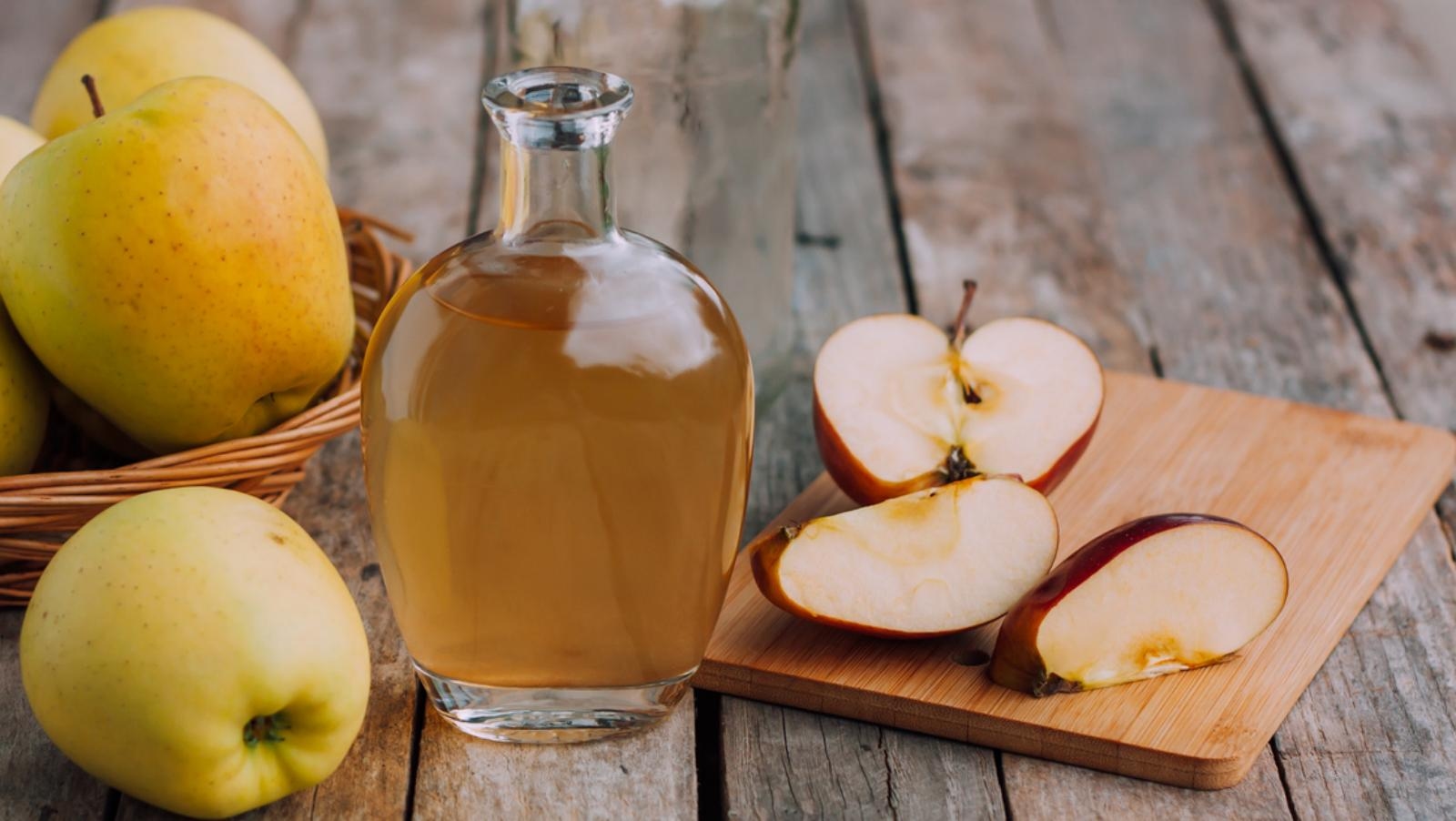
An influential study claiming that drinking a small amount of apple cider vinegar every day helps people lose weight was retracted on Wednesday after an investigation found it contained multiple errors.The small clinical trial, which was published in the journal BMJ Nutrition, Prevention & Health last year, is currently cited in many online articles touting the much-hyped health benefits of apple cider vinegar.However, the study quickly attracted criticism from outside researchers, prompting the journal's publisher to launch an investigation.The investigators found statistical errors and could not replicate the study's results, leading to it being retracted, the BMJ Group said in a statement.The authors of the research, which was conducted in Lebanon, said in a statement the errors were "honest mistakes" but added that they agreed with the decision to retract.Rosemary Stanton, an Australian public health nutritionist who criticised the study when it was first published, told AFP she was glad it had finally been retracted."We should have a healthy degree of scepticism to something that sounds too good to be true," she said.After Netflix released a series called "Apple Cider Vinegar" in January about Australian wellness influencers, the common pantry item has become emblematic of unverified health claims promoted on social media.Stanton added that some of apple cider vinegar's other supposed health benefits were also not supported by evidence.Claims that it is a good source of nutrients such as potassium, calcium and magnesium are "false", she said."Because apple cider vinegar damages tooth enamel, if you do use it, always rinse your mouth thoroughly with water."Stanton also lamented that many people no longer got nutrition advice from experts, but instead from unqualified influencers who often profit from promoting or selling products.

9/24/2025 10:32:28 AM

How to Eat with Cancer Prevention in Mind

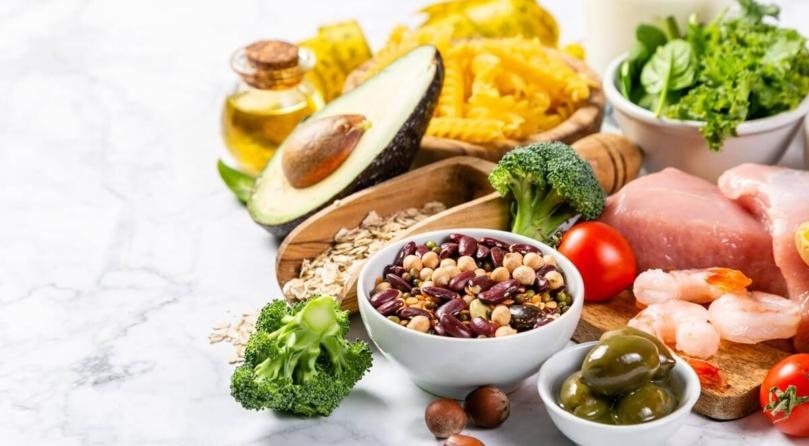
You may already know about the connection between diet and heart health, but did you know that you can also lower your risk of getting cancer through what you eat? While we can’t control our health entirely, more than 4 in 10 cancers are attributed to modifiable risk factors (AKA things in our control), including what we put into our bodies.Who better to ask how to eat with cancer prevention in mind than an oncologist who not only treats people with cancer but also stays on top of all the latest cancer research? With that in mind, we asked Dr. Lori A. Alfonse, DO, a surgical oncologist and the Deputy Physician in Chief of Lehigh Valley Topper Cancer Institute, to share her go-to dinner as well as general tips on how to eat with cancer prevention in mind.A Surgical Oncologist’s Go-To DinnerDr. Alfonse says that one dinner she has regularly is sauteed scallops or salmon, salad greens with homemade dressing (she makes it with vinegar, oil and Jane's Krazy Salt, which has 50% less sodium than regular table salt) and a small baked potato with sour cream.“This meal follows the ‘kill it or grow it rule,’ which is a motto I recommend to my patients," Dr. Alfonse says. "[It means] if you can kill it [foods like beef, chicken, fish or pork] or grow it [like fruits and vegetables], you can eat it."Scallops and salmon are both high in omega-3 fatty acids. Scientific studies have found that a diet that includes omega-3 fatty acids may help lower the risk of cancer because it helps prevent chronic inflammation. Scallops and salmon also both have magnesium—another nutrient linked to cancer prevention.As for salad greens, it’s no surprise that this food is part of Dr. Alfonse’s cancer-preventing meal. There is a strong correlation between a diet high in fiber and a lower risk of certain types of cancers. A diet high in vegetables, fruit and whole grains (all in the “grow it” part of Dr. Alfonse’s motto) can help lower the risk of cancer because these foods are full of phytochemicals, which slow cancer cell growth and prevent damaged cells from reproducing.As for that baked potato, the spud may get a bad rap but potatoes are a healthy, nutrient-rich food, a good source of carbohydrates, fiber, potassium and iron.How To Eat With Cancer Prevention In MindThe “kill it or grow it” rule allows for a long and varied list of foods to remain on the table (like whole grains, beans, legumes and meat) while nixing ultra-processed foods that are full of ingredients that are hard to pronounce, let alone know where they come from. According to scientific research, there is a direct correlation between a diet high in ultra-processed foods and an increased risk of certain cancers, including colorectal cancer, colon cancer and breast cancer.Besides minimizing ultra-processed foods, Dr. Alfonse also recommends prioritizing protein as a way to eat with cancer prevention in mind. “I suggest people increase their protein levels and try not to eat carbohydrates without pairing it with a protein. For example, I know people love pasta and some people can’t imagine living without it. I suggest cutting the portion in half and adding chicken or seafood,” she says. “Additionally, I suggest healthier alternatives such as chickpea or red lentil varieties of pasta. If you want to snack on crackers or pretzels, add some cheese.”Eating this way can help lower the risk of obesity, which is important because obesity is a risk factor for many types of cancer. People with obesity are at increased risk for 13 different types of cancer, which collectively make up 40% of all cancers diagnosed in the U.S. each year.If you want to start changing your diet to eat with cancer prevention in mind, dinner is a great meal to start with because, for many people, it’s their most substantial meal of the day. Follow in Dr. Alfonse’s footsteps by eating dinners with a balance of protein, fiber and carbohydrates. It’s one step you can take every single day to lower your risk of cancer.

4/8/2024 12:51:00 PM

Turmeric might help treat your indigestion, according to study

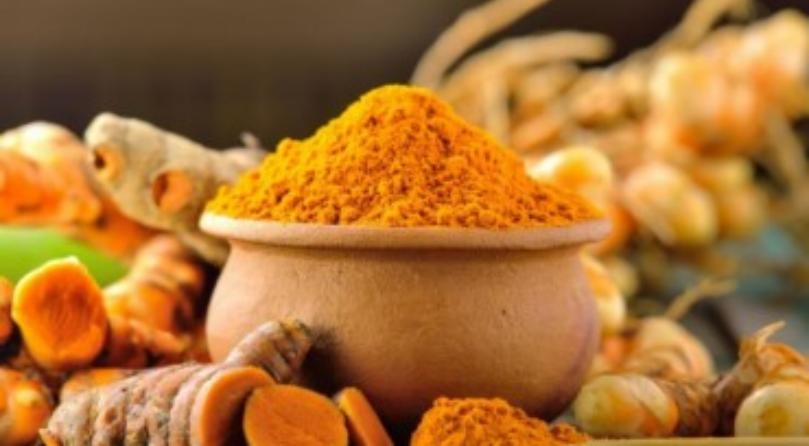
A good treatment option for indigestion may already be in your spice rack, according to a new study.The study, published in the medical journal BMJ, compared how more than 150 people with dyspepsia, or indigestion, responded to either the drug omeprazole, turmeric - which contains the compound curcumin - or a combination of the two.Omeprazole is a common medication used to treat certain heart and esophagus problems by reducing acid in the stomach, according to the Mayo Clinic.At days 28 and 56 of treatment, the people in the study were evaluated for their symptoms - which can include stomach pain, bloating, nausea or an early feeling of fullness - using the Severity of Dyspepsia Assessment, a questionnaire that rates the severity of indigestion.Researchers found no significant differences in the symptoms of the groups taking the drug, turmeric or the combination of the two, according to the study."In addition to anti-inflammatory and antioxidant purposes, curcumin/turmeric could be an option for treating dyspepsia with comparable efficacy to omeprazole," said lead study author Dr. Krit Pongpirul, associate professor in the department of preventive and social medicine at Chulalongkorn University in Bangkok, Thailand.Turmeric has been used by people in Southeast Asia to treat stomach discomfort and other inflammatory conditions, Pongpirul said. Its medicinal use dates back hundreds of years, according to the National Library of Medicine.In the United States, its primary medicinal use has been as an anti-inflammatory and antioxidant dietary supplement to relieve osteoarthritis and irritable bowel syndrome, he added.But this is the first clinical trial that directly compares curcumin/turmeric to omeprazole in treating dyspepsia, Pongpoirul said.Questions about tumeric's impactIt makes sense that research would investigate turmeric's impact on indigestion, because its compound curcumin has been studied in a wide variety of inflammatory conditions, including inflammatory bowel disease and arthritis, said Dr. Yuying Luo, a gastroenterologist and assistant professor of gastroenterology at the Icahn School of Medicine at Mount Sinai in New York City.Some studies have shown that curcumin was helpful in conjunction with other medications, she added.But there were some questions Luo had about the new study.The scale that the researchers used to measure symptoms is not the most common one used for assessing improvement of indigestion, she said.Luo would also like to see what the results would be if symptoms were measured more frequently."I don't think this one study alone is enough for me to say, 'I recommend this,'" she said. "Proceed with caution."But because there's a lot of ongoing research investigating the compound's impact on different inflammatory conditions, more insights could be close at hand, Luo added."Curcumin is not going away," she said.Should you start taking tumeric?Should you up the turmeric in your diet for better digestion? Talk to your doctor first, Luo said.There have been a few case studies of curcumin and liver injury, and it is important to make sure turmeric doesn't interact poorly with any of the other medications you are on, she added."Consumers should be aware of side effects of curcumin extracts such as allergy and bleeding risk, especially for those who take anticoagulant or antiplatelet medications," Pongpuri said.That said, curcumin and turmeric is "generally considered safe when consumed in the amounts typically found in food," he added.Typically, turmeric spices contain around 3% curcumin, according to the National Library of Medicine.The dose of 2 grams given in this study is relatively low compared to extracts commonly found in curcumin supplements, Pongpuri said.It may not be necessary to take both turmeric and omeprazole together if just taking one or the other works similarly to reduce risk of side effects, he said.Although she needs to see more studies before she starts recommending turmeric as a treatment, Luo did say that she thinks it makes sense to talk with your doctor about if you should try it in addition to your medications.She does add a caveat, however: People trying these alternatives should give them each two to four weeks to see what the full impact is."If it is helpful, that's wonderful," Luo added. "If not, that's the tough part of treating disorders … not all patients are the same and have the same response to medication."

9/12/2023 7:41:06 PM

Mediterranean Lifestyle Helps People Live Longer, According to Science

Ella Pickover wrote this article in the Independent:Scientists have found more evidence to suggest that leading a Mediterranean lifestyle could be key to living a longer and healthier life.People who follow a Med lifestyle - including making time for socialising; resting; physical activity and eating a diet rich in fruits, vegetables, and whole grains with low sugar and salt intake - are less likely to die prematurely or die from cancer.And those who get plenty of rest, exercise and make time to socialise with friends are less likely to die as a result of a heart attack or stroke.The new study examined data on 110,799 adults taking part in the UK Biobank study.People aged 45 to 70 from England, Wales and Scotland provided detailed information about their diet and lifestyle habits.The researchers, led by academics from La Universidad Autonoma de Madrid in Spain and Harvard TH Chan School of Public Health in the US, examined information ON Mediterranean food consumption; Mediterranean dietary habits - such as limiting salt and consuming healthy drinks - and lifestyle habits including taking regular naps, exercising, and spending time with friends.Higher total scores in these categories indicated a higher adherence to the Mediterranean lifestyle, the authors said.People involved in the study were tracked for nine years.Some 4,247 people died including 2,401 from cancer and 731 from cardiovascular disease, which includes heart attacks and strokes.Researchers found that people who followed a Mediterranean lifestyle were 29% less likely to die compared to their peers who did not follow this lifestyle.They were also 28% less likely to die from cancer, according to the study, which has been published in the journal Mayo Clinic Proceedings.And people who got plenty of rest and exercise, while also making time to socialise with friends, were also less likely to die from cardiovascular disease.“This study suggests that it’s possible for non-Mediterranean populations to adopt the Mediterranean diet using locally available products and to adopt the overall Mediterranean lifestyle within their own cultural contexts,” said lead author Mercedes Sotos Prieto, from La Universidad Autonoma de Madrid and Harvard Chan School.“We’re seeing the transferability of the lifestyle and its positive effects on health.”

8/18/2023 7:54:28 PM

Taurine May Extend Life and Health, Scientists Find

BBC published this article:Taurine - a nutrient found in meat, fish and sold as a supplement - extends life and boosts health in a range of animal species, scientists say.Levels of taurine decline with age in different species, including people.Experiments on middle-aged animals showed boosting taurine to youthful levels extended life by over 10% and improved physical and brain health.The researchers say taurine may be an "elixir of life" - but topping up levels in people has not been tested.So the team, at Columbia University, in New York, recommend against people buying taurine pills or energy drinks packed with taurine in an attempt to live longer.The animal research is, however, the latest development in the hunt for ways of slowing ageing.This study started by analysing molecules in the blood of different species - to explore the differences between young and old."One of the most dramatically downgraded [molecules] was taurine," researcher Dr Vijay Yadav said. In elderly people, levels were 80% lower than in the young.Taurine is virtually non-existent in plants. So the nutrient either comes from animal protein in diet or is manufactured by the body.And for the past 11 years, the research team have been trying to flesh out its role in ageing.'Improved memory'A daily dose was given to 14-month-old mice, which is equivalent to about age 45 for humans.The results, published in the journal Science, showed male mice lived 10% longer, females 12%, and both appeared to be in better health."Whatever we checked, taurine-supplemented mice were healthier and appeared younger," Dr Yadav said."They were leaner, had an increased energy expenditure, increased bone density, improved memory and a younger-looking immune system."Increases in lifespan of 10-23% were also recorded in worms.Then, 15-year-old rhesus monkeys were given a six-month course of taurine - too short to notice a difference in life expectancy but, again, the researchers found improvements in body weight, bone, blood-sugar levels and the immune system."I thought this is almost too good to be true," said Prof Henning Wackerhage, who was involved in the research at the Technical University of Munich. "Taurine somehow hits the engine room of ageing."-But many of the big questions remain unanswered:-Would the same results be possible in people?-Why do taurine levels fall in the first place, if it is so good for health?-How does it slow ageing?Are there any dangers in taking taurine?The researchers performed an analysis of 12,000 people and showed those with more taurine in their blood were generally in better health.If the data from mice applied to people, it would be the equivalent of an extra seven to eight years of life, they say.But it will take proper clinical trials - where some people are given the nutrient and others a placebo pill - to see if any benefit can be detected.Differences in human biology may stop taurine from working or there may be some evolutionary reason why levels are meant to fall with age. Current evidence - including energy drinks being on the market for decades - suggests taurine is safe.Healthy dietWhile taurine is in our diet, it would be hard to eat the quantities used in the experiments. The equivalent dose from the animal experiments, scaled up to people would be 3-6g (0.2oz) per day.Dr Yadav refused to say whether he chose to take taurine supplements himself, for fear of unduly influencing people.He told BBC News: "Let us wait for the clinical trials to be completed before recommending to the wider population that they go to the shelf in a grocery store and buy taurine."Prof Wackerhage said rather than rushing for supplements, there were already proven ways of living longer."If you want to live a long, healthy and happy life, then you need a healthy diet - that's one of the most important things - and of course, you should exercise," he said.Power stationsThe scientific report suggests taurine plays a role in reducing cellular senescence - where cells in the body stop dividing - a hallmark of ageing.The nutrient also appeared to keep mitochondria - the power stations in the body's cells - functioning.But how it does any of this remains unexplored.Prof Ilaria Bellantuono, from the University of Sheffield, said the findings "fits well with the existing evidence" on ageing, but the implications for people would remain "limited" until potentially very expensive human trials were conducted."If there is a demonstrable clinical impact it could be used to prevent multiple long-term chronic conditions such as osteoporosis, muscle weakness, diabetes and potentially neurodegenerative diseases."Commenting on the findings, Joseph McGaunn and Joseph Baur, both from the University of Pennsylvania, said: "A singular focus on increasing dietary taurine risks driving poor nutritional choices, because plant-rich diets are associated with human health and longevity."Thus like any intervention, taurine supplementation with the aim of improving human health and longevity should be approached with caution."

6/11/2023 11:12:49 AM

{{ article.title }}

{{safeHTML(article.Text)}}

{{article.publishDate}}

Article Image

More

Study on Apple Cider Vinegar and Weight Loss Withdrawn

An influential study claiming that drinking a small amount of apple cider vinegar every day helps people lose weight was retracted on Wednesday after an investigation found it contained multiple errors.The small clinical trial, which was published in the journal BMJ Nutrition, Prevention & Health last year, is currently cited in many online articles touting the much-hyped health benefits of apple cider vinegar.However, the study quickly attracted criticism from outside researchers, prompting the journal's publisher to launch an investigation.The investigators found statistical errors and could not replicate the study's results, leading to it being retracted, the BMJ Group said in a statement.The authors of the research, which was conducted in Lebanon, said in a statement the errors were "honest mistakes" but added that they agreed with the decision to retract.Rosemary Stanton, an Australian public health nutritionist who criticised the study when it was first published, told AFP she was glad it had finally been retracted."We should have a healthy degree of scepticism to something that sounds too good to be true," she said.After Netflix released a series called "Apple Cider Vinegar" in January about Australian wellness influencers, the common pantry item has become emblematic of unverified health claims promoted on social media.Stanton added that some of apple cider vinegar's other supposed health benefits were also not supported by evidence.Claims that it is a good source of nutrients such as potassium, calcium and magnesium are "false", she said."Because apple cider vinegar damages tooth enamel, if you do use it, always rinse your mouth thoroughly with water."Stanton also lamented that many people no longer got nutrition advice from experts, but instead from unqualified influencers who often profit from promoting or selling products.

9/24/2025 10:32:28 AM

How to Eat with Cancer Prevention in Mind

You may already know about the connection between diet and heart health, but did you know that you can also lower your risk of getting cancer through what you eat? While we can’t control our health entirely, more than 4 in 10 cancers are attributed to modifiable risk factors (AKA things in our control), including what we put into our bodies.Who better to ask how to eat with cancer prevention in mind than an oncologist who not only treats people with cancer but also stays on top of all the latest cancer research? With that in mind, we asked Dr. Lori A. Alfonse, DO, a surgical oncologist and the Deputy Physician in Chief of Lehigh Valley Topper Cancer Institute, to share her go-to dinner as well as general tips on how to eat with cancer prevention in mind.A Surgical Oncologist’s Go-To DinnerDr. Alfonse says that one dinner she has regularly is sauteed scallops or salmon, salad greens with homemade dressing (she makes it with vinegar, oil and Jane's Krazy Salt, which has 50% less sodium than regular table salt) and a small baked potato with sour cream.“This meal follows the ‘kill it or grow it rule,’ which is a motto I recommend to my patients," Dr. Alfonse says. "[It means] if you can kill it [foods like beef, chicken, fish or pork] or grow it [like fruits and vegetables], you can eat it."Scallops and salmon are both high in omega-3 fatty acids. Scientific studies have found that a diet that includes omega-3 fatty acids may help lower the risk of cancer because it helps prevent chronic inflammation. Scallops and salmon also both have magnesium—another nutrient linked to cancer prevention.As for salad greens, it’s no surprise that this food is part of Dr. Alfonse’s cancer-preventing meal. There is a strong correlation between a diet high in fiber and a lower risk of certain types of cancers. A diet high in vegetables, fruit and whole grains (all in the “grow it” part of Dr. Alfonse’s motto) can help lower the risk of cancer because these foods are full of phytochemicals, which slow cancer cell growth and prevent damaged cells from reproducing.As for that baked potato, the spud may get a bad rap but potatoes are a healthy, nutrient-rich food, a good source of carbohydrates, fiber, potassium and iron.How To Eat With Cancer Prevention In MindThe “kill it or grow it” rule allows for a long and varied list of foods to remain on the table (like whole grains, beans, legumes and meat) while nixing ultra-processed foods that are full of ingredients that are hard to pronounce, let alone know where they come from. According to scientific research, there is a direct correlation between a diet high in ultra-processed foods and an increased risk of certain cancers, including colorectal cancer, colon cancer and breast cancer.Besides minimizing ultra-processed foods, Dr. Alfonse also recommends prioritizing protein as a way to eat with cancer prevention in mind. “I suggest people increase their protein levels and try not to eat carbohydrates without pairing it with a protein. For example, I know people love pasta and some people can’t imagine living without it. I suggest cutting the portion in half and adding chicken or seafood,” she says. “Additionally, I suggest healthier alternatives such as chickpea or red lentil varieties of pasta. If you want to snack on crackers or pretzels, add some cheese.”Eating this way can help lower the risk of obesity, which is important because obesity is a risk factor for many types of cancer. People with obesity are at increased risk for 13 different types of cancer, which collectively make up 40% of all cancers diagnosed in the U.S. each year.If you want to start changing your diet to eat with cancer prevention in mind, dinner is a great meal to start with because, for many people, it’s their most substantial meal of the day. Follow in Dr. Alfonse’s footsteps by eating dinners with a balance of protein, fiber and carbohydrates. It’s one step you can take every single day to lower your risk of cancer.

4/8/2024 12:51:00 PM

Turmeric might help treat your indigestion, according to study

A good treatment option for indigestion may already be in your spice rack, according to a new study.The study, published in the medical journal BMJ, compared how more than 150 people with dyspepsia, or indigestion, responded to either the drug omeprazole, turmeric - which contains the compound curcumin - or a combination of the two.Omeprazole is a common medication used to treat certain heart and esophagus problems by reducing acid in the stomach, according to the Mayo Clinic.At days 28 and 56 of treatment, the people in the study were evaluated for their symptoms - which can include stomach pain, bloating, nausea or an early feeling of fullness - using the Severity of Dyspepsia Assessment, a questionnaire that rates the severity of indigestion.Researchers found no significant differences in the symptoms of the groups taking the drug, turmeric or the combination of the two, according to the study."In addition to anti-inflammatory and antioxidant purposes, curcumin/turmeric could be an option for treating dyspepsia with comparable efficacy to omeprazole," said lead study author Dr. Krit Pongpirul, associate professor in the department of preventive and social medicine at Chulalongkorn University in Bangkok, Thailand.Turmeric has been used by people in Southeast Asia to treat stomach discomfort and other inflammatory conditions, Pongpirul said. Its medicinal use dates back hundreds of years, according to the National Library of Medicine.In the United States, its primary medicinal use has been as an anti-inflammatory and antioxidant dietary supplement to relieve osteoarthritis and irritable bowel syndrome, he added.But this is the first clinical trial that directly compares curcumin/turmeric to omeprazole in treating dyspepsia, Pongpoirul said.Questions about tumeric's impactIt makes sense that research would investigate turmeric's impact on indigestion, because its compound curcumin has been studied in a wide variety of inflammatory conditions, including inflammatory bowel disease and arthritis, said Dr. Yuying Luo, a gastroenterologist and assistant professor of gastroenterology at the Icahn School of Medicine at Mount Sinai in New York City.Some studies have shown that curcumin was helpful in conjunction with other medications, she added.But there were some questions Luo had about the new study.The scale that the researchers used to measure symptoms is not the most common one used for assessing improvement of indigestion, she said.Luo would also like to see what the results would be if symptoms were measured more frequently."I don't think this one study alone is enough for me to say, 'I recommend this,'" she said. "Proceed with caution."But because there's a lot of ongoing research investigating the compound's impact on different inflammatory conditions, more insights could be close at hand, Luo added."Curcumin is not going away," she said.Should you start taking tumeric?Should you up the turmeric in your diet for better digestion? Talk to your doctor first, Luo said.There have been a few case studies of curcumin and liver injury, and it is important to make sure turmeric doesn't interact poorly with any of the other medications you are on, she added."Consumers should be aware of side effects of curcumin extracts such as allergy and bleeding risk, especially for those who take anticoagulant or antiplatelet medications," Pongpuri said.That said, curcumin and turmeric is "generally considered safe when consumed in the amounts typically found in food," he added.Typically, turmeric spices contain around 3% curcumin, according to the National Library of Medicine.The dose of 2 grams given in this study is relatively low compared to extracts commonly found in curcumin supplements, Pongpuri said.It may not be necessary to take both turmeric and omeprazole together if just taking one or the other works similarly to reduce risk of side effects, he said.Although she needs to see more studies before she starts recommending turmeric as a treatment, Luo did say that she thinks it makes sense to talk with your doctor about if you should try it in addition to your medications.She does add a caveat, however: People trying these alternatives should give them each two to four weeks to see what the full impact is."If it is helpful, that's wonderful," Luo added. "If not, that's the tough part of treating disorders … not all patients are the same and have the same response to medication."

9/12/2023 7:41:06 PM

Mediterranean Lifestyle Helps People Live Longer, According to Science

Ella Pickover wrote this article in the Independent:Scientists have found more evidence to suggest that leading a Mediterranean lifestyle could be key to living a longer and healthier life.People who follow a Med lifestyle - including making time for socialising; resting; physical activity and eating a diet rich in fruits, vegetables, and whole grains with low sugar and salt intake - are less likely to die prematurely or die from cancer.And those who get plenty of rest, exercise and make time to socialise with friends are less likely to die as a result of a heart attack or stroke.The new study examined data on 110,799 adults taking part in the UK Biobank study.People aged 45 to 70 from England, Wales and Scotland provided detailed information about their diet and lifestyle habits.The researchers, led by academics from La Universidad Autonoma de Madrid in Spain and Harvard TH Chan School of Public Health in the US, examined information ON Mediterranean food consumption; Mediterranean dietary habits - such as limiting salt and consuming healthy drinks - and lifestyle habits including taking regular naps, exercising, and spending time with friends.Higher total scores in these categories indicated a higher adherence to the Mediterranean lifestyle, the authors said.People involved in the study were tracked for nine years.Some 4,247 people died including 2,401 from cancer and 731 from cardiovascular disease, which includes heart attacks and strokes.Researchers found that people who followed a Mediterranean lifestyle were 29% less likely to die compared to their peers who did not follow this lifestyle.They were also 28% less likely to die from cancer, according to the study, which has been published in the journal Mayo Clinic Proceedings.And people who got plenty of rest and exercise, while also making time to socialise with friends, were also less likely to die from cardiovascular disease.“This study suggests that it’s possible for non-Mediterranean populations to adopt the Mediterranean diet using locally available products and to adopt the overall Mediterranean lifestyle within their own cultural contexts,” said lead author Mercedes Sotos Prieto, from La Universidad Autonoma de Madrid and Harvard Chan School.“We’re seeing the transferability of the lifestyle and its positive effects on health.”

8/18/2023 7:54:28 PM

{{ article.title }}

{{safeHTML(article.Text)}}

{{ article.publishDate }}

Article Image

More